
-
Federal Reserve officials said the economy continues to be disrupted by the pandemic with one regional central bank chief dismissing the threat that inflation could get out of hand.
February 17
-
Federal Reserve Bank of Kansas City President Esther George said the U.S. central bank was still “far away” from achieving its goals and it was premature to start a debate on scaling back its massive bond-buying program.
February 5
-
The Federal Reserve Bank of Philadelphia's manufacturing index fell to a seventh- month low, while jobless claims hit a three-month high.
December 17
-
Jobless claims fell to below 800,000, existing home sales soared, leading indicators rose more than expected and the Kansas City Fed manufacturing index also climbed in the latest reading.
October 22
-
While not a huge gain, "claims remain staggeringly high" six months into the economic downturn, analysts say.
September 24
-
The economy continues on a fragmented recovery from the pandemic, with the housing market being a positive sign and labor having issues.
August 27
-
Federal Reserve Bank of Kansas City President Esther George, who has been among the most hawkish Fed policy makers, doesn’t oppose some overshooting of the central bank’s 2% inflation target and sees more risk of price pressures being too weak than too strong.
August 26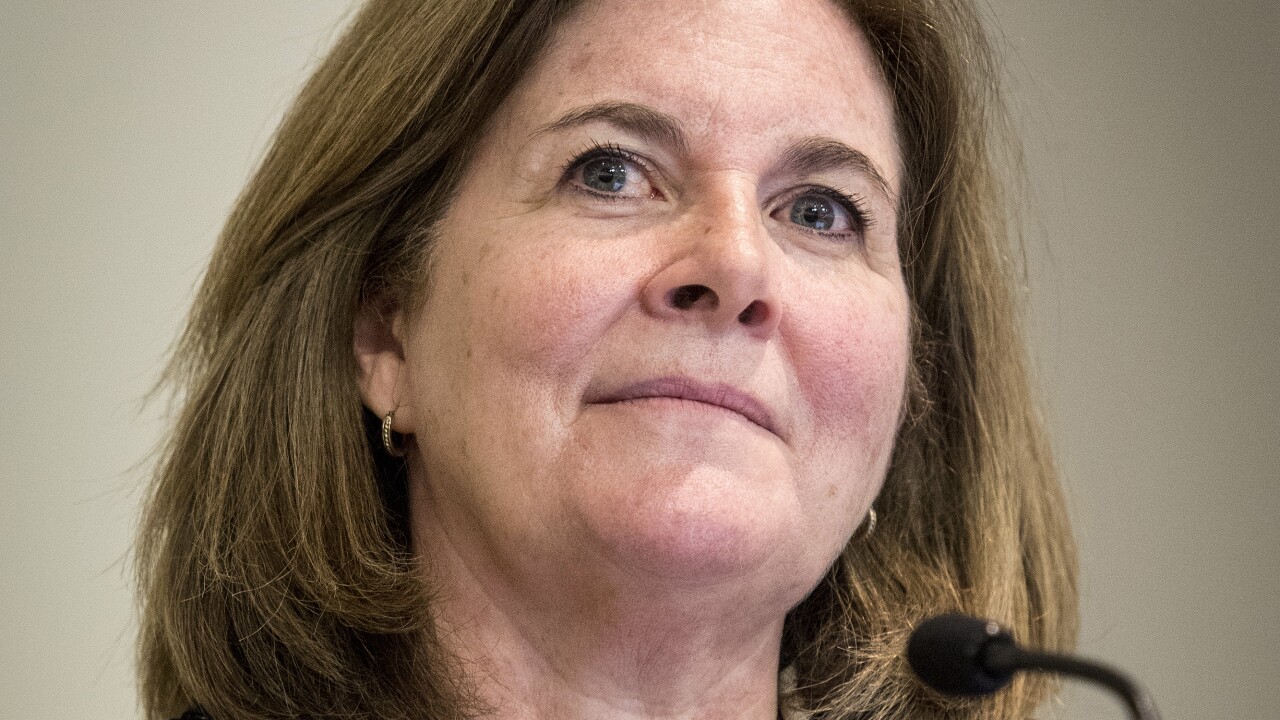
-
Initial jobless claims increased for the first time since March, causing some to worry about the economic recovery.
July 23
-
The Federal Reserve could discuss yield curve control, but some feel it may not be needed.
July 20
-
Two Federal Reserve presidents say it's gotten harder to predict what will happen with the economy.
June 25
-
While the number of people filing for unemployment dropped to 4.4 million, there are now 26 million Americans without work and economists expect the unemployment rate to hit 20%.
April 23
-
Initial jobless claims surged, as expected, hitting an all-time high of a seasonally adjusted 3.283 million in the week ended March 21, as the impacts of the coronavirus-driven closures showed in the numbers, the Labor Department said. The previous high for claims was 695,000 in October 1982.
March 26
-
When the Federal Reserve began expanding its balance sheet with quantitative easing, it was seen as an emergency measure. Yet a decade later, the Fed is again in jeopardy of hitting zero lower bound and its balance sheet remains large.
March 10
-
The Fed should hold rates and wait for the three 2019 cuts to work their way through the economy before deciding its next move, Federal Reserve Bank of Kansas City President Esther George said Tuesday.
January 14
-
Most observers were skeptical, even as markets rallied after President Trump said a trade deal with China is close.
November 22
-
September durable goods orders fell more than expected, while orders for non-defense capital goods excluding aircraft also dropped, suggesting production won't rebound this year.
October 24
-
Monetary policy may not be the answer for what ails the economy, Federal Reserve Bank of Kansas City President Esther George said Friday.
October 18
-
Two dissents on the vote to cut rates were the first of Chairman Jerome Powell's term.
August 22
-
Every coin has two sides and that is the case with a possible September rate cut.
August 20
-
The debate over yield curve inversion continued, as a summer Friday yielded little economic data, but the market waits to parse the minutes of the most recent Federal Open Market Committee and then eyes will turn to the Federal Reserve Bank of Kansas City’s annual Jackson Hole retreat.
August 16


