-
William Glasgall of the Volcker Alliance dives deep into factors affecting state and local budgets. He looks at what the Inflation Reduction Act means, how states are using stimulus money and economic effects of work from home. Caitlin Devitt hosts. (31 minutes)
 August 16
-
Inflation and material shortages are accelerating the P3 trend of bringing in a private team before price is finalized, which could expose investors to cost-escalation risk.
August 15
-
Funding transit infrastructure is one of the county's key initiatives and also reinforces its policy to reduce carbon emissions, increase mobility equity and promote transit-oriented development, says Fitch's Michael Rinaldi.
 August 15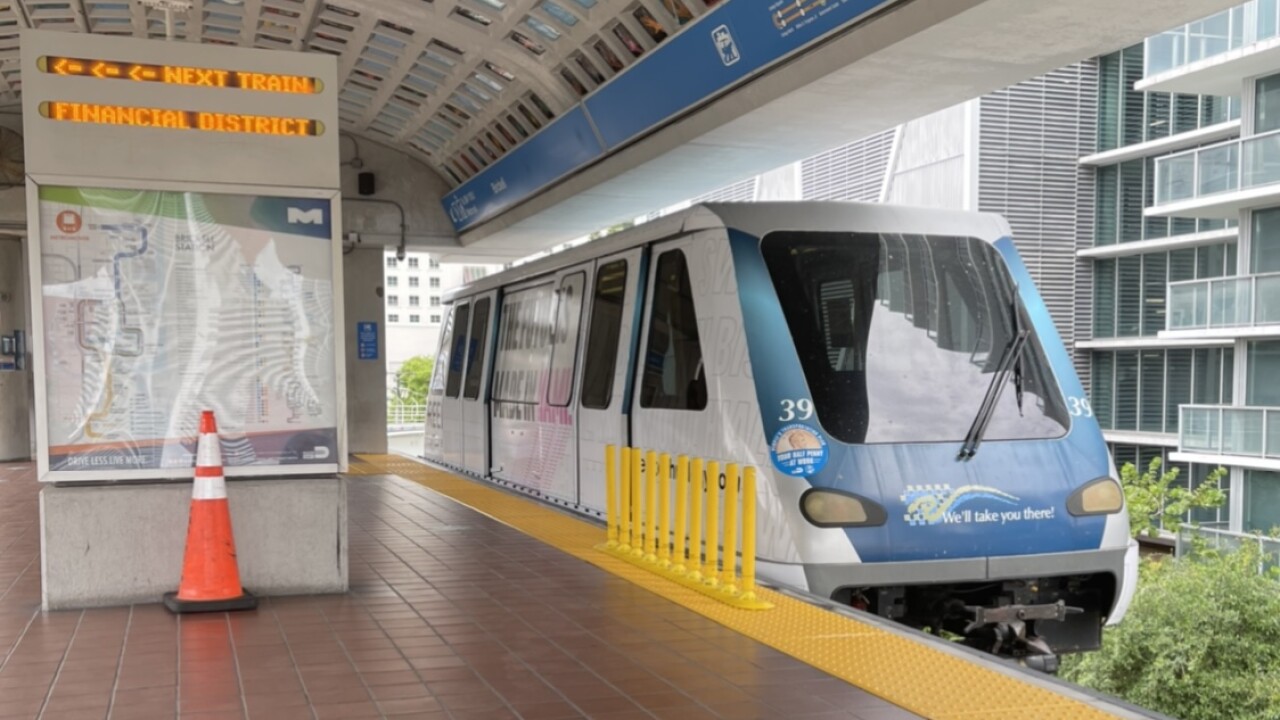
-
Illinois laid out updated six-year transportation packages allocating more than $30 billion in spending.
 August 12
-
The training camps will focus on 30 grant programs in the infrastructure law that carry the biggest bang for their buck and allow cities to apply directly to the feds.
August 12
-
The bulging surpluses are a result of $5 trillion in economic stimulus from the federal government including American Rescue Plan Act (ARPA) funds which boosted economic activity and tax revenues.
 August 11
-
The $2.2 billion will be divided evenly between urban and rural communities, with 75% going to projects in poor or disadvantaged areas.
August 11
-
All states hit the Aug. 1 deadline to submit electric vehicle charging station plans to unlock the first piece of funding in the federal infrastructure package.
August 10
-
Expected voter turnout for the midterm election will likely compel other cities to join Ontario, California, in placing tax and bond measures on November's ballot.
August 5
-
The agency overseeing what has been called the country's most expensive infrastructure project hopes to secure $8 billion in federal dollars and $4.2 billion of state borrowing for the first leg of the bullet train.
August 4
-
Since 2011, the city has issued about $5.6 billion of debt, with the most issuance occurring in 2021 when it sold $785 million.
August 3
-
The county wants to enter into a public-private partnership to finance, build and operate a public utility and multiple microgrids that will sell power to advanced manufacturers who require hyper-reliable energy.
August 2
-
A group of 20 muni bond investment firms have asked U.S. cities to disclose their environmental-related needs and risks, including infrastructure projects, to CDP, a global disclosure firm.
July 29
-
A way to look at city regeneration, infrastructure and the virtuous cycles of funding these initiatives through long-term pension investments obligations.
July 27 Legal & General Capital
 -
At the Colorado DOT, Shailen Bhatt oversaw the $1.2 billion I-70 expansion, a public-private partnership that was the state's largest highway project to date.
July 25
-
As the impact from the COVID-19 pandemic wanes, Dallas, Fort Worth and Austin are moving ahead with expansions of their convention centers.
 July 25
-
As passengers return and revenues climb toward pre-pandemic norms, the Port Authority of New York and New Jersey has billions of capital construction on tap at the region's largest airports.
 July 22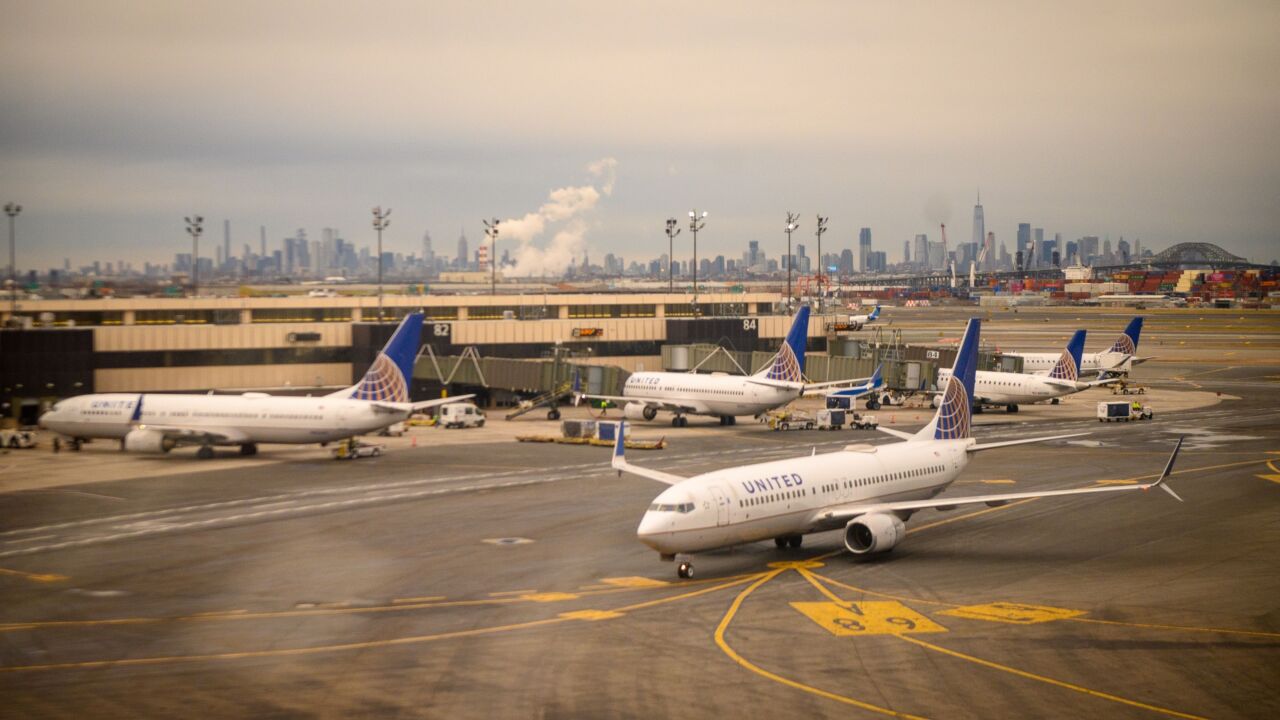
-
The new law kills tolling for the Major Bridge program but allows the P3 contract to remain in place.
July 21
-
“We have to be able to build things better and faster in this country and you don’t have to be a Democrat or a Republican to agree with that."
July 21
-
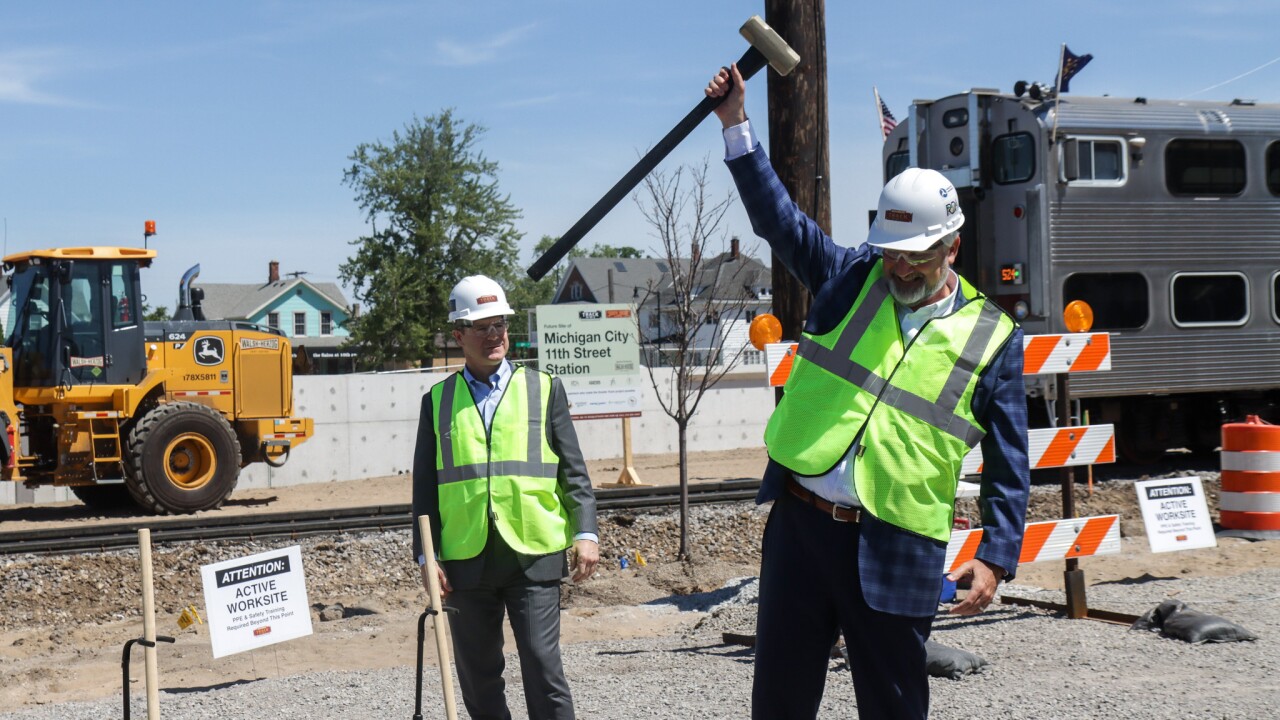
The West Lake Corridor and Double Track projects are billed as transformative projects to bolster local economic development by enhancing links to Chicago.
July 19