-
Counties and states are moving ahead with replicable, bond-financed affordable housing funding models as new regulations designed to jump start community development are still working their way through the pipeline.
 September 14
-
State governments want to limit the cost of healthcare. Issuers will be tested. But analysts say it's unlikely to drive hospitals to bankruptcy.
 August 31
-
As the public backlash against data centers begins to influence politics around the beltway, industry supporters point to the effects of tax revenue generated at the local level.
August 18
-
Maryland has inked an $85 million deal to secure the rights to the Preakness Stakes by authorizing the Maryland Economic Development Corp. to issue revenue bonds to fund the sale.
July 31
-
Maryland drops Moodys a year after the ratings agency downgraded its credit as the state preps for a major bond sale this week.
June 1
-
The Maryland Economic Development Corporation and the Internal Revenue Service have reached a resolution in a tax squabble over a bond issuance where proceeds of the sale were not spent within a three-year time window.
May 28
-
The District of Columbia Water and Sewer Authority is applying for a reimbursement from the federal government for repair costs to a broken water line that flooded the Potomac River with raw sewage.
May 6
-
The state does not have the bonding capacity to independently rebuild the American Legion Bridge, the feds say. The state continues to hope for a federal grant to help cover the cost.
 April 10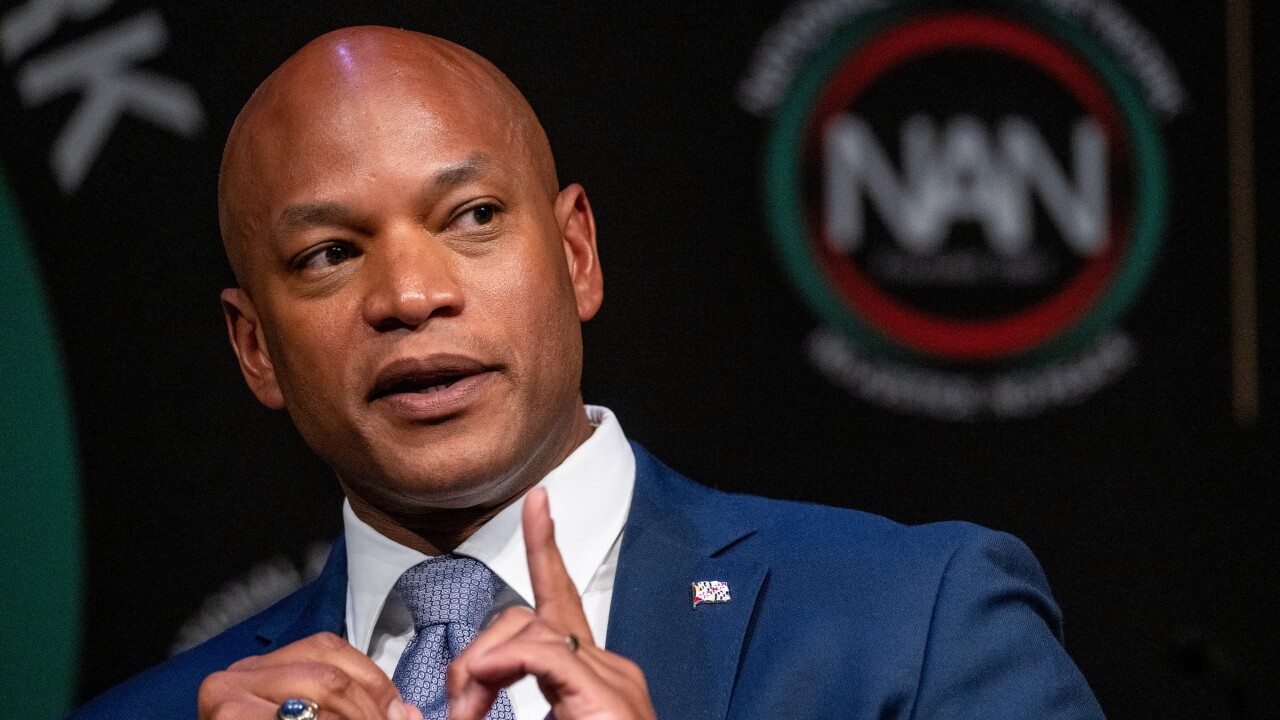
-
Maryland Governor Wes Moore unveiled his $70.8 billion budget proposal that is designed to close a $1.5 billion gap via cuts, fund transfers and swaps of bonds for cash.
January 22
-
A squabble between the U.S. Department of Transportation and the state of Maryland appears to be moving towards a resolution which effects two major bridges in the Washington D.C. – Baltimore region.
January 16 -
The Maryland Department of Transportation's acting secretary said the bill would provide "greater transparency and accountability in transportation spending decisions."
January 15
-
Maryland is currently battling federal job losses and string of financial challenges but is starting the new year with a new triple-A rating on its general obligation bonds complete with a stable outlook.
January 13
-
New cost estimates for the repair of tolled Key Bridge in Baltimore, which is already under scrutiny by the Trump administration, indicate the price could be as much as $5.2 billion, more than double the original number.
November 18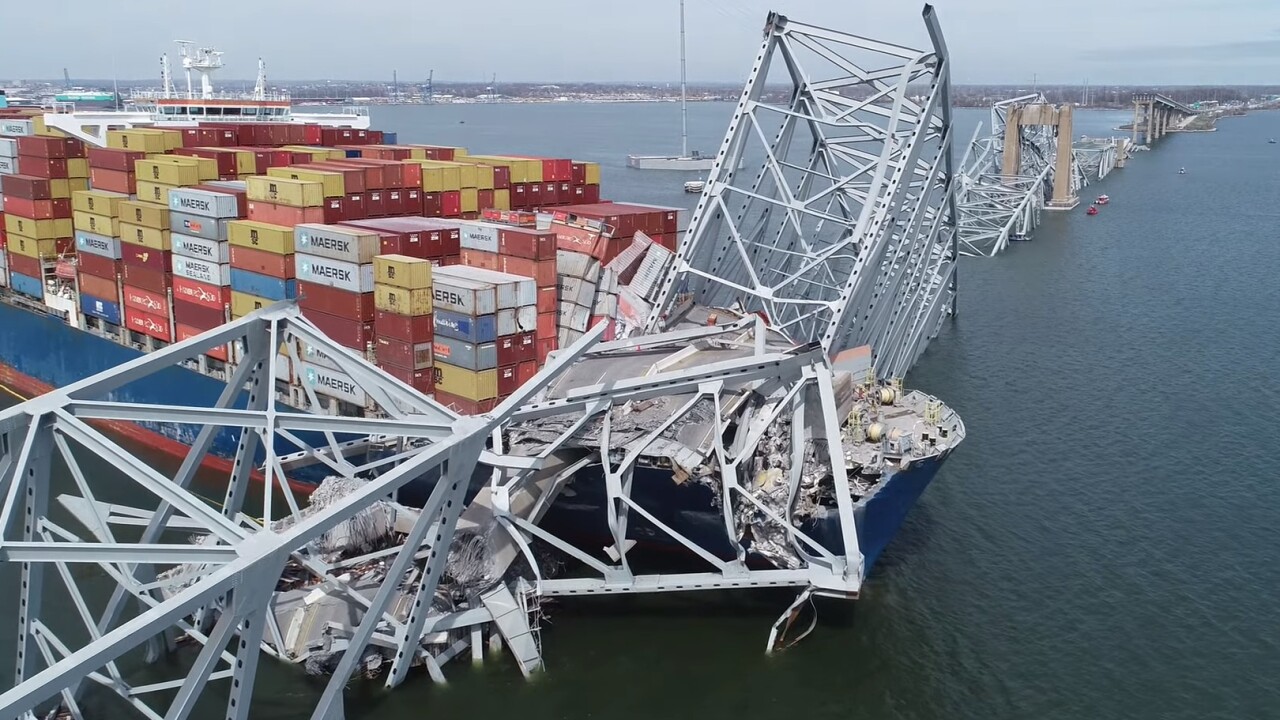
-
Maryland's Capital Debt Affordability Committee is recommending the state stick to its guns by endorsing a plan to borrow up to $1.75 billion for capital projects in the coming fiscal year, despite the job shedding inflicted by the Trump administration's plans to shrink the federal government.
October 17
-
"The project is not dead," said the transportation planning board chair.
October 16
-
The Department of Transportation is offering its Consolidated Transportation Bonds in a competitive sale Wednesday to what promises to be a receptive market.
October 7
-
The administration wants the project "to be a model of how to build quickly and cost effectively," Transportation Secretary Sean Duffy said.
September 22
-
Maryland's comptroller reports the state is projecting a $189 million drop in general fund revenue due to the unfolding effects of the One Big Beautiful Bill Act, which could result in the state decoupling from federal tax laws.
September 9
-
The state has teed up a $21.5 billion, six-year transportation budget as it deals with the fallout from federal workforce cuts, a credit downgrade, and a feud with the Trump administration.
September 3
-
The Trump administration has denied Maryland's request for Federal Emergency Management Agency funding to aid communities on the western side of the state who were flooded out in May.
July 24


