-
California's Inglewood Transit Connector Project, Chicago's Red Line extension, New York-New Jersey's Hudson Tunnel and the Second Avenue subway would all win funds under the spending proposal.
March 12
-
Even more uncertainty has been introduced into the municipal bond market as the Federal Reserve may have to tweak its monetary policy plans as the situation unfolds.
 March 13
-
The fresh guidance seeks to end a debate over how to prioritize federal transportation funds that's dogged Biden administration officials for more than a year.
 February 28
-
The budget provides more money to state and local governments and record levels of funding for schools and railroad initiatives.
 March 28
-
Half of the infrastructure funding is going to the states, and cities should talk to their governors to ensure they see some of that funding, White House Infrastructure Advisor Mitch Landrieu told the National League of Cities Tuesday.
March 15
-
States have appropriated 72% of the ARPA funds they have received so far and many state legislatures are developing plans to spend the rest.
March 1
-
“I want to break ground next year,” Kentucky Gov. Andy Beshear said.
March 1
-
The proposal would offset all gas tax losses to the Highway Trust Fund but would still hasten its insolvency.
February 22
-
The pandemic, and now the spreading of the omicron variant, exposed nationwide disparities in Internet access with the transition to remote work and learning.
 December 23
-
Sen. Schumer said the Senate would take up Build Back Better "very early in the new year."
December 20
-
With the ink drying on the new Infrastructure Investment and Jobs Act, eyes now turn to the implementation of one of the largest infrastructure programs in American history.
December 3
-
Rising rates and rising inflation are key concerns for municipal bond buyers.
November 30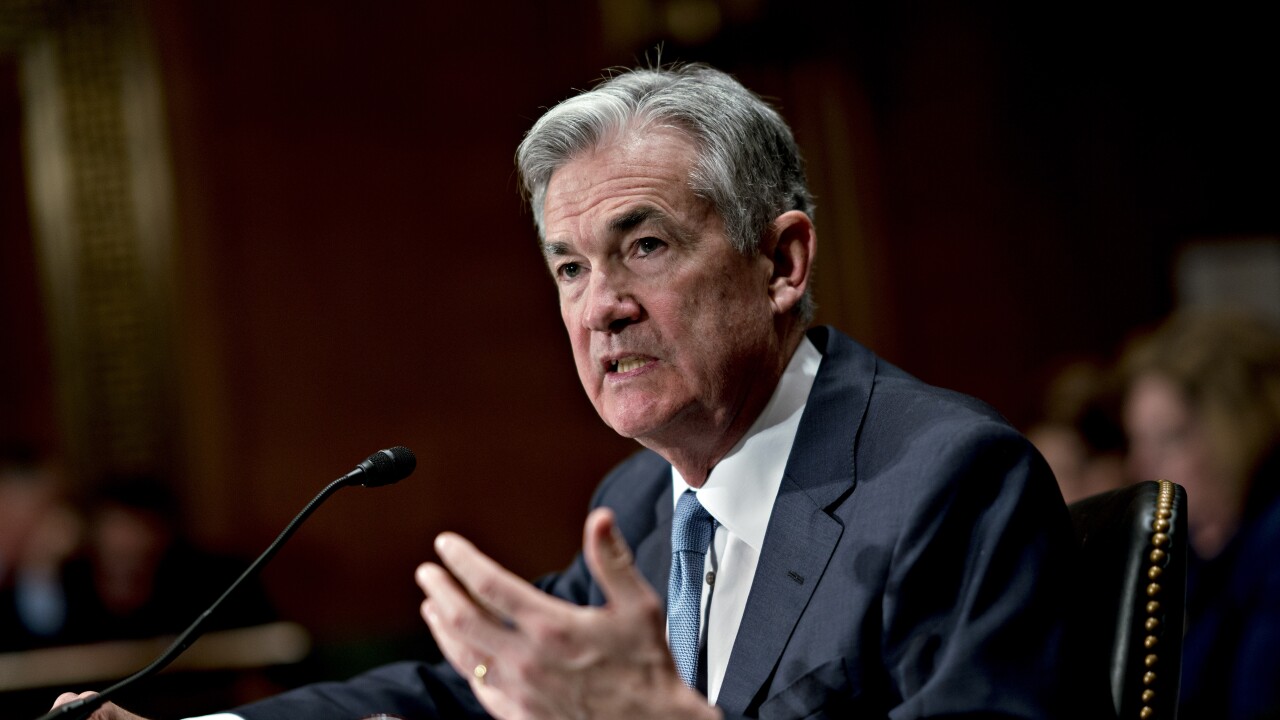
-
The House is expected to introduce another temporary government funding bill this week before turning to the debt ceiling issue.
November 29
-
If enacted, Build Back Better would promote economic growth and likely have a limited impact on inflation, ratings agencies say.
November 24
-
The U.S. DOT wants to make applying for grants in the $1.1 trillion infrastructure bill as easy as possible. More than 40 new programs will be created under the new law.
November 18
-
Treasury may have some leeway when interpreting the new tax and buysiders say it's unlikely to hurt demand even if it becomes law.
November 16
-
President Joe Biden Monday signed into law a $1.1 trillion infrastructure bill.
November 15
-
The inability to advance refund has cost issuers up to $10 billion since 2020, according to Municipal Market Analytics, a figure lobbyists hope will help make their case.
November 12
-
By lowering the amount of private activity bonds needed to finance low-income housing, the provision would free up PABs volume for other projects.
November 11
-
Assets ranging from airports, utilities and toll roads may come into play under P3 provisions in the infrastructure bill, which could attract public pension infrastructure investment.
November 9


