-
Maryland blames a "post-pandemic market" for cost increases lifting the light rail line's price tag to $9.28 billion. The system is to open four years late in 2026.
 January 21
-
The Internal Revenue Service has released guidance providing temporary relief for low-income housing tax credit and private activity bond-financed properties due to the ongoing threat of COVID-19.
 January 13
-
Inflation, labor shortages and implementation uncertainties loom as the Infrastructure Investment and Jobs Act moves into center stage next year.
December 29
-
Industry advocates want to preserve allocation of private activity bonds to the states and help Congress understand the benefits of advance refunding.
December 27
-
The odds of non-housing projects receiving private activity bond funding in California are slimmer as state officials focus on its housing crisis.
December 16
-
The Build Back Better Act contains provisions that could help states finance additional affordable homes.
November 30
-
The new tax-exempt private activity bond categories for broadband and carbon capture projects are designed to avoid straining state volume cap.
November 22
-
By lowering the amount of private activity bonds needed to finance low-income housing, the provision would free up PABs volume for other projects.
November 11
-
CDFA is advocating for a holistic solution from Congress to address private activity bond challenges.
November 5
-
The growing P3 sector would enjoy a boost across many markets, including rural broadband, under P3-friendly provisions in the bipartisan infrastructure bill.
September 28
-
Cheered by the inclusion of key muni market priorities in tax legislation unveiled over the weekend, muni market advocates must now battle to keep them there.
 September 13
-
Adovactes are hopeful a provision cutting in half the required PAB-financing for low-income housing projects will be in the upcoming reconciliation package.
August 19
-
The House's powerful speaker will need to win the votes of moderates.
August 16
-
The legislation passed the Senate by 69-30 setting the stage for House lawmakers to work on it and for Senate Democrats to weigh a social infrastructure agenda.
August 10
-
A project that dealt municipal bond investors one of the biggest high-yield defaults of the past decade is about to ask them for more cash
August 5
-
While the bipartisan deal includes some helpful provisions, it does not contain any of the top priorities of municipal bond market advocates.
July 29
-
Wednesday will be the first Senate vote on advancing a bipartisan infrastructure deal.
July 20
-
State and local government groups want the focus on reinstating tax-exempt advance refunding bonds and expanding the current financing tools.
June 25
-
Brightline Holdings will wait until 2022 to try again to finance a passenger train to Las Vegas from Southern California with tax-exempt bonds.
June 24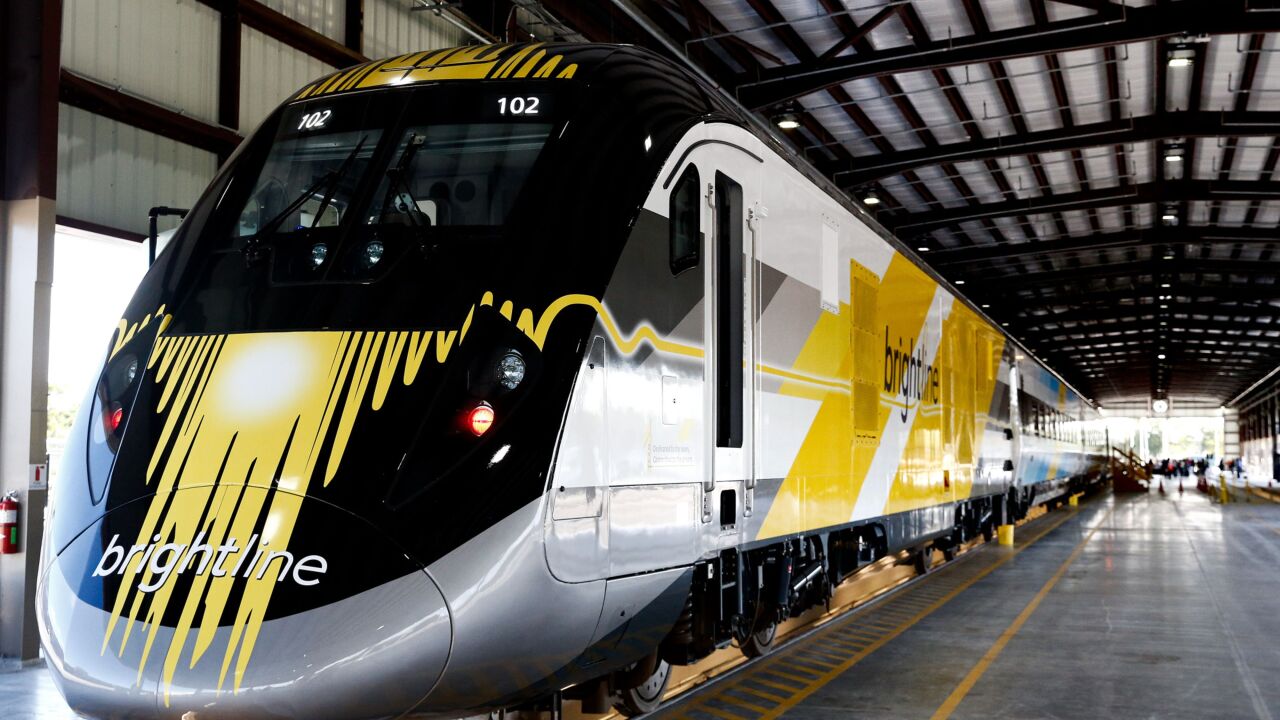
-
The roughly $1 trillion bipartisan plan would rely heavily on municipal financing tools to achieve $1 trillion in investment with any new federal taxes.
June 17


