-
Republicans have repeatedly criticized the California high-speed rail project as a waste of taxpayer money.
December 6
-
The decision by the District of Columbia-based U.S. Appeals Court will officially vacate the Surface Transportation Board's environmental approval for the project.
 December 5
-
The delays have led to a technical default by the design-build contractor on the $450 million project to design, finance, build, operate and maintain the Thruway's 27 service areas.
December 4
-
The projects range from airports to ports and transit-oriented development.
November 17
-
The commonwealth revamped its P3 law last year in the wake of a court ruling striking down a tolled bridge program.
 October 17
-
California-based Fulcrum Bioenergy will build a facility in Gary that converts household garbage into sustainable synthetic aviation fuel.
October 5
-
Fitch Ratings replaced its negative watch with the negative outlook, citing the lack of clarity around contractor claims of cost overruns.
 October 2
-
The Amtrak-Texas Central proposal to build high-speed rail between Dallas and Houston would take land "from American citizens and put it under the control of a Japanese company," a pair of Texas Republican representatives told the FRA.
September 29
-
The MAMBA Act would modernize IRS rules affecting private activity bonds.
 September 22
-
The authority approved $1.3 billion in conduit financings at its meeting Tuesday.
September 13
-
When Los Angeles World Airports CEO Justin Erbacci steps down next month, Beatrice Hsu will step up as interim CEO.
September 8
-
Bondholders granted some breathing room to the speculative-grade polypropylene recycling project along the Ohio River, now reported to have entered production.
August 15
-
The legislation would boost the size limitation of industrial revenue bonds and expand the uses of proceeds.
June 5
-
Ambiguous language in the legislation is one of a handful of reasons why issuers have not taken advantage of the new financing tool.
March 28
-
The $250 million in debt being issued for Montana Renewables is equal to nearly half the state's issuance for last year.
March 20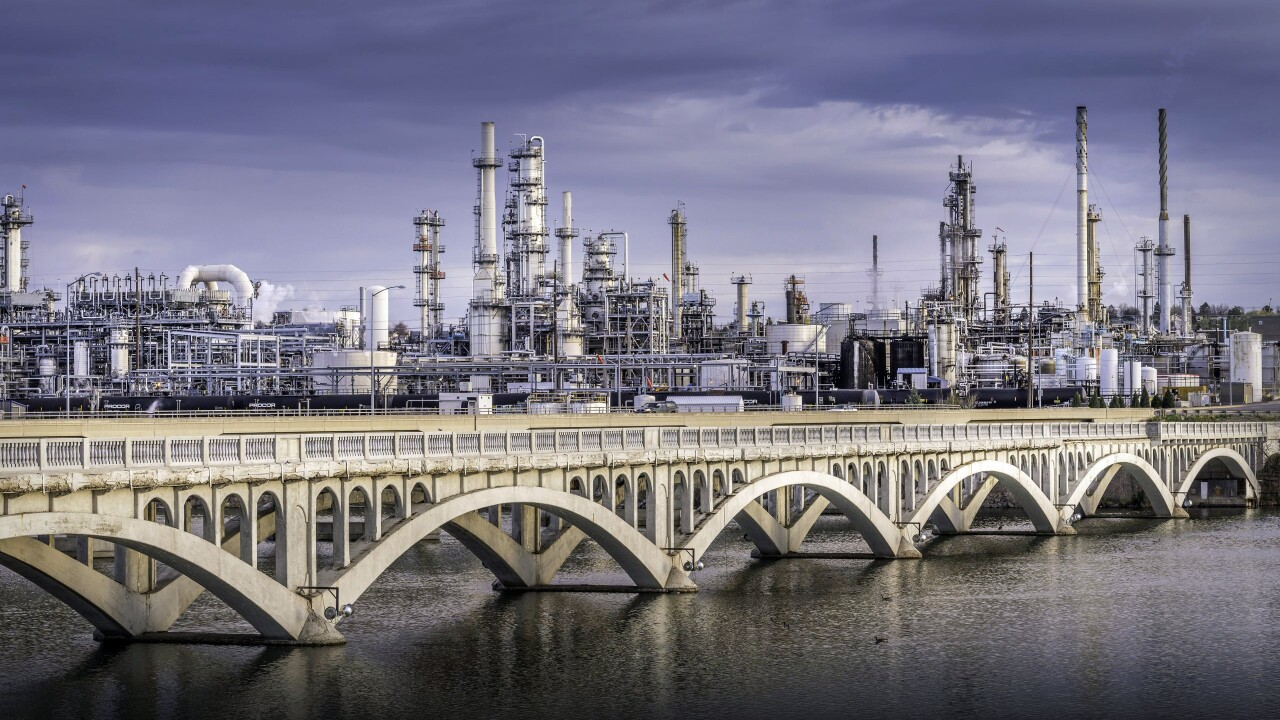
-
Passing the Affordable Housing Credit Improvement Act could boost housing bond issuance.
March 7
-
A demand survey conducted by CDLAC in November foreshadowed $11 billion in requests from applicants for the state's private activity bonds.
January 20
-
The 150-acre facility is expected to create about 200 local full-time positions and between 500 and 1,000 indirect local jobs.
 January 11
-
The borrowing, which will be backed by availability payments, will finance the first six of the state's nine-span Major Bridges P3 program.
December 9
-
South Carolina-based Jasper Pellets borrowed $12.5 million in private activity bonds in 2018. A deal to settle the firm's Chapter 11 bankruptcy pays the debt.
 October 26


