-
Muni yields have been in a nine-basis point range since the beginning of the year while UST yields have fluctuated more than 20 basis points. With so little supply, muni credit spreads continue to compress.
January 20
-
Tax-exempt performance is dependent on what supply looks like versus taxables. The 30-day visible supply shows more than 30% taxables on tap, though some analysts say the taxable increase makes exempts more attractive.
January 19
-
Friday’s data showed economic weakness. Consumers, the drivers of the economy, pulled back during the holiday season and have exhibited weakening sentiment.
January 15
-
The bonds are coming in three tranches, mixing tax-exempt new money and a taxable refunding.
January 15
-
Powell, speaking on a livestreamed event, said interest rates will be raised "no time soon" and there will be plenty of notice "well in advance of active consideration."
January 14
-
The Foothill-Eastern Transportation Corridor Agency in California has slated a tender offering exchange for Jan. 21 ahead of a Jan. 25 advance refunding.
 January 14
-
Municipal bonds continue to ignore UST and ICI reports $2.67 billion of inflows. While CPI should stay soft through the first quarter, expectations for future inflation should be considered.
January 13
-
Muni to U.S. Treasury ratios hover near the lowest point in a decade and analysts see little impetus for munis to catch up in the near term.
January 12
-
The city has suffered tax and economic blows from COVID-19 but has weathered the impacts with adjustments to its roughly $1 billion budget.
 January 12
-
The Muni New Issue Upload Form was created to expand access to additional deal participants and streamline the submission process for the forward calendar.
 January 12
-
Municipals were little changed Monday as participants await the larger new-issue calendar while equities and U.S. Treasuries react to news out of Washington and COVID-19 ravages the globe.
January 11
-
The employment report showed 140,000 decline in nonfarm payrolls in December, but economists found some positives in the numbers.
January 8
-
The state will sell $182.2 million of highly rated general obligation bonds in three separate offerings.
 January 8
-
It was inevitable that muni yields would need to rise somewhat as the UST 10-year broke above 1%, however participants said the supply/demand imbalance will keep munis from rising as quickly as Treasuries. More than $1 billion inflows reported.
January 7
-
John Hallacy, founder of John Hallacy Consulting LLC, talks about the most important opportunities and challenges the municipal bond market will face in 2021. He gives his estimate on where muni volume may be headed, discusses the possibility of a federal infrastructure program and talks about what to expect under a Biden Administration. Chip Barnett hosts. (Recorded Dec. 22; 22 minutes)
January 7
-
FOMC members backed maintaining asset purchases, although “a couple” were “open” to “weighting purchases of Treasury securities toward longer maturities,” according to minutes released Wednesday.
January 6
-
The growth in issuance in 2020 spread out over the top 10 underwriters, with bulge-bracket firms sharing the wealth.
January 6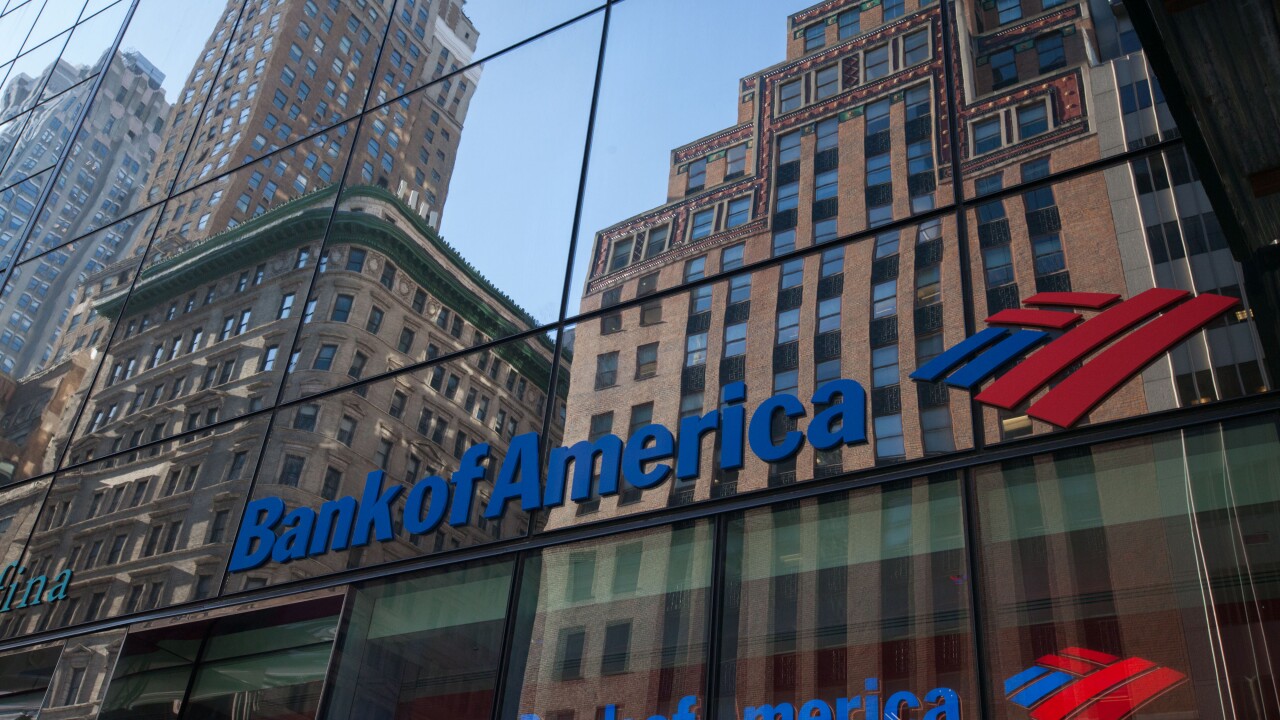
-
Without the benefit of a larger new-issue calendar, secondary trading is likely to continue the theme of the final two months of 2020: more bidders than bonds.
January 5
-
From the Centennials to the COVID generation, the municipal market's demographics will change dramatically in the next decade as will the way investors view investing in munis.
January 5 The Bond Buyer
 -
Paul Herman and Adam Mason of HIP Investor examine environmental, social and governance risks, ratings disconnects, transparency needs and HIP's deep dive into hospital systems. Paul Burton hosts. Recorded Dec. 14. (25 minutes).
 January 5


