-
Monetary policy is accommodative and will remain so this year, but with the Fed's framework review concluding, some analysts believe it will shift from a 2% symmetric inflation target to an average inflation target.
 January 30
-
The Leading Economic Index fell 0.3% in December to 111.2, while the coincident index rose 0.1% and the lagging index dipped 0.1%, the Conference Board reported Thursday.
January 23
-
With the phase one trade deal with China finally signed, there should be less uncertainty, which will boost the economy. But will China adhere to the pact?
January 16
-
While Fed officials repeated their contention that monetary policy is appropriate and rates can be held if the outlook remains as expected, the situation with Iran could cause preemptive cuts, one noted economist suggests.
January 9
-
President Trump’s New Year’s Eve announcement that he will sign a phase one trade deal with China will offer some stability to those hurt most by the trade war and should allow the Federal Reserve to keep monetary policy accommodative, according to analysts.
January 2
-
The markets will build on 2019’s gains next year, as they withstood “trade tensions, impeachment, and geopolitical uncertainties” with the economy posting a record 11th year of expansion, according to economists.
December 26
-
Inflation remains tame, and although the consumer price index has ticked up, producer prices surprised to the downside Thursday.
December 12
-
A smaller decline in business investment and continued consumer spending suggest the economy will continue to grow at a moderate pace.
November 27
-
In the late stages of the longest economic expansion since World War II, the current cycle is uncharted territory, according to a report from RBC Wealth Management.
November 21
-
Fed Chair Jerome Powell doesn't see signs of recession in “the star economy,” while the St. Louis Fed's Bullard warns of a sharper-than-expected slowdown.
November 14
-
A phase-out of U.S.-China trade tariffs would keep the Federal Reserve on the sidelines.
November 7 -
Analysts are skeptical of Fed Chair Jerome Powell's signal that policy makers will keep rates at a range of 1.50% to 1.75%.
October 31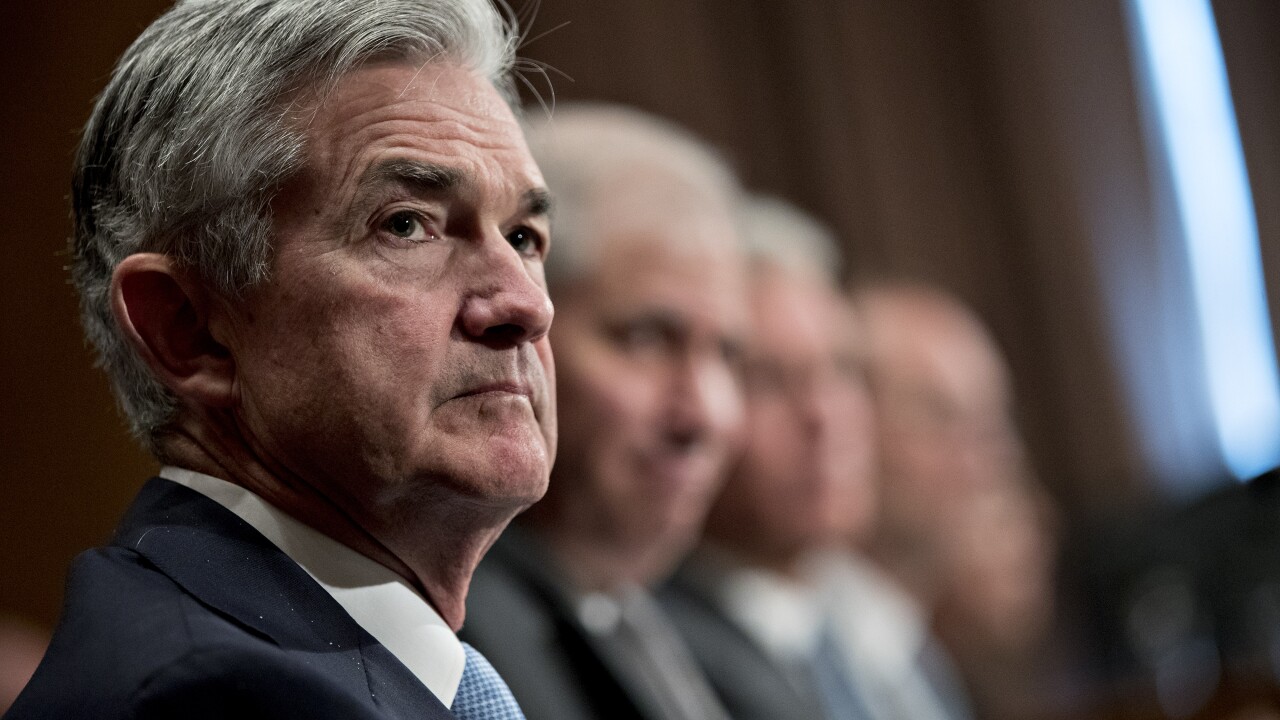
-
September durable goods orders fell more than expected, while orders for non-defense capital goods excluding aircraft also dropped, suggesting production won't rebound this year.
October 24
-
While the economic indicators released on Thursday suggested a weakening economy, a deeper dive by analysts offers a different view.
October 17
-
Part of the problem could be “the apparent failure of mainstream economic models to capture fully the current reality.”
October 10
-
The Federal Reserve took center stage again Friday, with two presidents explaining why they dissented at the latest meeting and Vice Chair Richard Clarida terming it “healthy” debate.
September 20
-
Two dissents on the vote to cut rates were the first of Chairman Jerome Powell's term.
August 22
-
Durable goods orders rose as non-defense capital goods orders excluding aircraft posted their largest gain since February 2018.
July 25
-
With the neutral rate of interest rate extremely low, New York Fed President John Williams suggested the keys are acting quickly and keeping rates lower longer.
July 18
-
After a string of proposed candidates who didn’t pan out, Trump picks new Fed nominees.
July 3


