-
Research indicates office space conversions could be financed with bonds.
 November 3
-
Bond Buyer Senior Reporter Keeley Webster shares an interview with California Treasurer Fiona Ma on her run for lieutenant governor as a prelude to a fireside chat Wells Fargo Director Julia Kim conducted with the state treasurer at The Bond Buyer's California Public Finance conference.
October 31
-
Gov. Kathy Hochul this week signed into law a trio of bills passed by New York's Legislature leveraging state resources to accelerate affordable housing in New York City.
 October 27
-
The Biden administration announces new emphasis on transit-oriented development.
October 27
-
San Francisco City Administrator Carmen Chu highlighted challenges the city faces, and how city leaders plan to solve them.
October 24
-
"A lot of these priority items are bottlenecking, said Brian Egan, director of government affairs at the National Association of Bond Lawyers.
October 20
-
Peter Lam has served as bond counsel to state and local issuers for public and privately placed bond issuances.
 October 11
-
Mohamed Balla, Atlanta's CFO, talks about housing bonds and his participation in the recent National Association of Security Professionals' annual conference. Thomas Nocera hosts. (22 minutes)
August 29
-
Moody's boosted CalHFA's rating to Aa2, following a similar move by S&P in December.
 June 23
-
The bill, which was introduced Tuesday, is cosponsored by Sens. Catherine Cortez Masto, D-Nev. and Bill Cassidy, R-La.
June 9
-
The Biden Administration has partnered with five cities and the State of California in efforts to reduce homelessness.
May 19
-
Despite legislation and political rhetoric, demand for environmental, social, and governance focused debt remains strong.
May 3
-
The House Appropriations Committee heard from tribal leaders about housing and transportation needs.
April 28
-
A bill to prevent developers from buying bonds issued by their metropolitan districts died, but another measure limiting interest rates in such cases was enacted.
 April 24
-
A demand survey conducted by CDLAC in November foreshadowed $11 billion in requests from applicants for the state's private activity bonds.
January 20
-
Agency says it's the highest general obligation bond rating it has received in 47 years.
December 14
-
The Build Back Better Act contains provisions that could help states finance additional affordable homes.
November 30
-
By lowering the amount of private activity bonds needed to finance low-income housing, the provision would free up PABs volume for other projects.
 November 11
-
Mayors are urging Congress to preserve major housing support in the reconciliation bill.
September 29
-
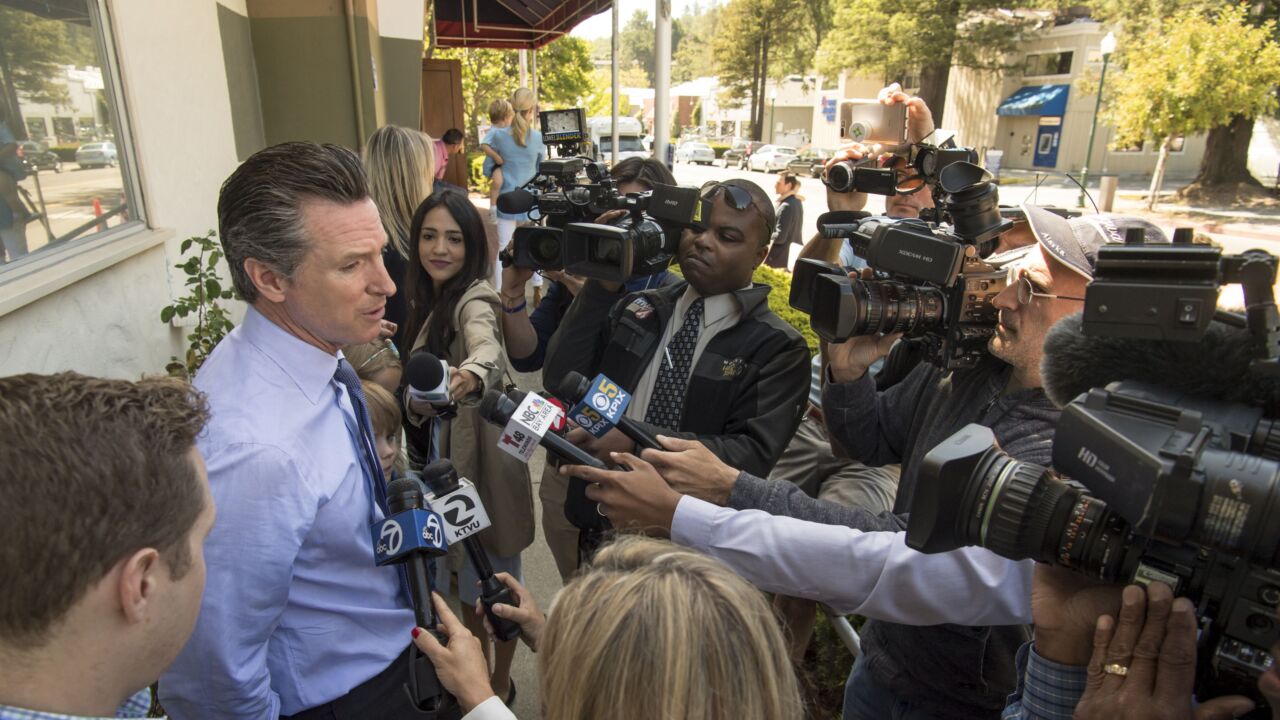
$2.75 billion is available to build permanent housing for unhoused people, California Gov. Gavin Newsom said at a press conference.
September 10