-
The 245,000 increase in nonfarm payrolls indicated a slowing, and with lockdowns rising, December's numbers could fall again.
 December 4
-
Inflation remains low, while initial jobless claims continue improving, but the coronavirus pandemic looms large.
 November 12
-
The Conference Board's Employment Trends Index (ETI) gained to 97.57 in October from 96.33 in September, but remains 11.1% lower than a year ago, the group announced Monday.
November 9
-
Both the ADP employment report and the ISM services PMI came in below estimates, suggesting weakness in the recovery.
November 4
-
The federal funds rate target should remain at the zero lower bound until inflation reaches 2% and remains headed higher, Federal Reserve Bank of Chicago President Charles Evans said Monday.
October 5
-
Payrolls were added and the unemployment rate fell, but some observers saw negatives in the September employment report.
October 2
-
The end-of-month economic data was positive, with even GDP coming in above expectations.
September 30
-
The August employment report was better than anticipated, which could impact the stimulus package being negotiated in Washington, analysts say.
September 4
-
Despite "progress" in getting people back to work, economists say the coronavirus pandemic creates downside risks to recovery.
August 7
-
Number of jobs added falls well below projections, while the non-manufacturing sector report wasn't a boon to employment either.
August 5
-
With many states facing more coronavirus cases, experts are split on what the report will show.
August 4
-
Analysts remained concerned about the employment numbers as some states had to postpone or reverse some reopening plans.
July 6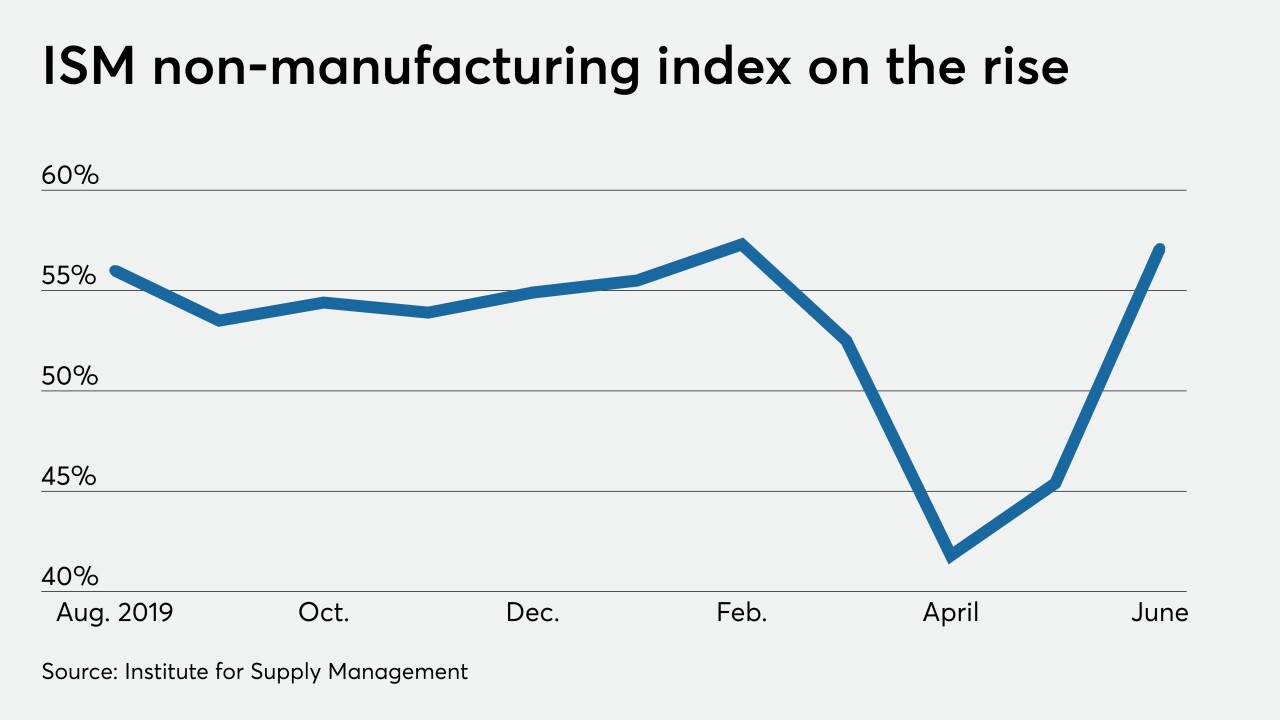
-
A second wave of coronavirus cases in the fall will probably push the U.S. unemployment rate higher again, Federal Reserve Bank of Minneapolis President Neel Kashkari said on Twitter.
June 19
-
The U.S. labor market has continued to heal at a relatively rapid rate through early June, St. Louis Federal Reserve researchers found, using real-time data that provides a more timely view than official government reports.
June 9
-
With interest rates on hold until the picture is clearer, the Summary of Economic Projections should take center stage.
June 8
-
Jobs added and the unemployment rate well below expectations suggest April may have been the bottom.
June 5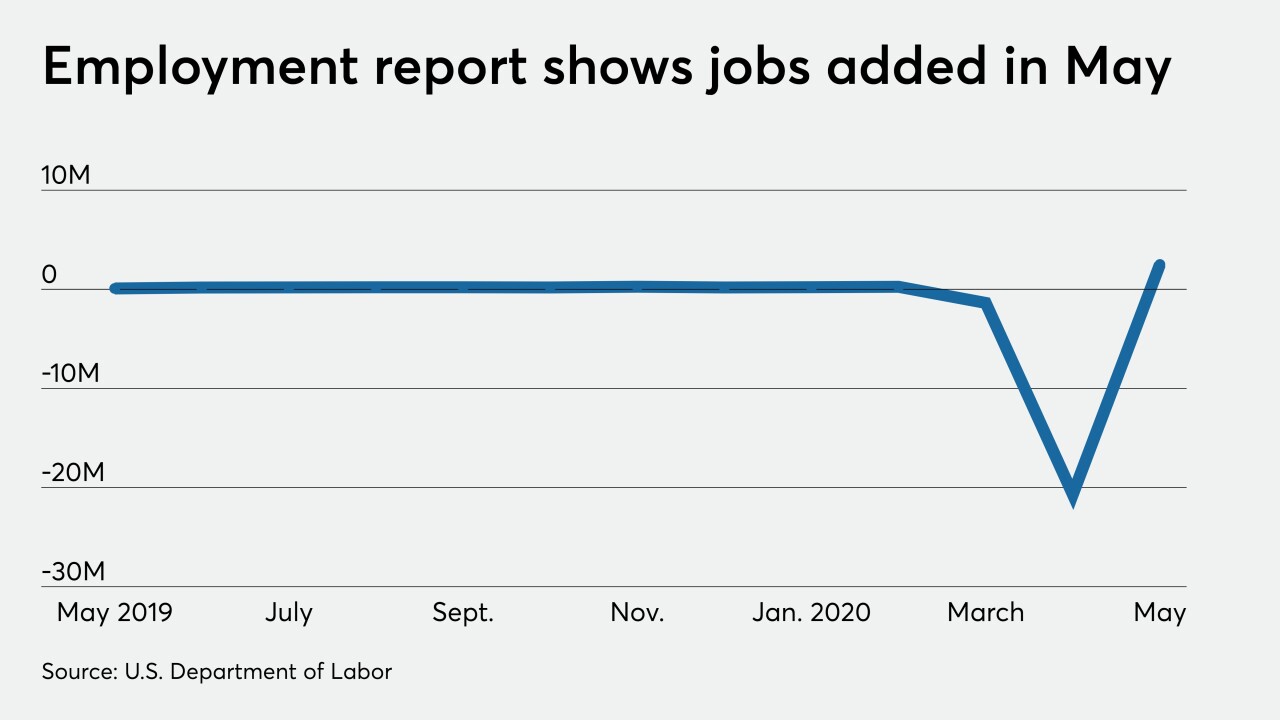
-
The ADP employment report was better than expected, but the real test will be Friday's employment report.
June 3
-
Jobless claims went down for the sixth week in a row and the figure is now below 3 million for the first time since the week of March 14.
May 14
-
Initial jobless claims continued to slide, but remain above the 3 million mark, as an expected ugly unemployment report is on deck.
May 7
-
Wednesday’s economic data were not as bad as projected, but included just the beginning of the effects of the coronavirus on the economy.
April 1


