-
The Queens Ballpark Co. LLC bonds for Citi Field were lowered to BB-plus from BBB by S&P, which cited uncertainties about the baseball season.
 June 5
-
New deals thrive and inflows continue as Lipper reports $1.2 billion into municipal bond mutual funds.
June 4
-
The state's ratings, just one rung above junk, are holding steady after analysts' initial review of a fiscal 2021 budget that pins hopes on future federal relief.
 June 4
-
Chairman Patrick Foye said the designation will better position the authority to cope with the revenue loss from the coronavirus pandemic.
June 4
-
Phil Toews, CEO of Toews Corp., talks about all the recent market turmoil and what it means for the municipal bond market in general and high-yield munis specifically. Chip Barnett hosts.
June 4
-
Moody's sees the state's budget woes as posing the most severe strain on the junk-rated district's fiscal prospects
June 3
-
Primary market deals generated strong demand, and municipals were little changed in secondary trading.
June 3
-
Comptroller Kevin Lembo forecast a $620 million fiscal 2020 deficit in his monthly update to Gov. Ned Lamont.
June 3
-
Illinois said Tuesday it signed an agreement for the Municipal Liquidity Facility to purchase its one-year certificates. Closing is expected Friday.
June 2
-
Moody's action on Aa1-rated Nevada follows a Fitch Ratings outlook cut to negative three weeks ago as the coronavirus hammers a tourism based state economy.
June 2
-
The fragility of the economy amid protests and the continuing coronavirus threats have dealers unloading some risk.
June 2
-
The Wisconsin Center District deal provides some expansion financing and near-term debt relief after the agency was stung by lost conventions and tax revenue.
June 2
-
Members of both parties raised concerns that the requirements for participating in the Municipal Liquidity Facility and Main Street Lending Program are too restrictive to benefit smaller localities and certain midsize firms.
 June 2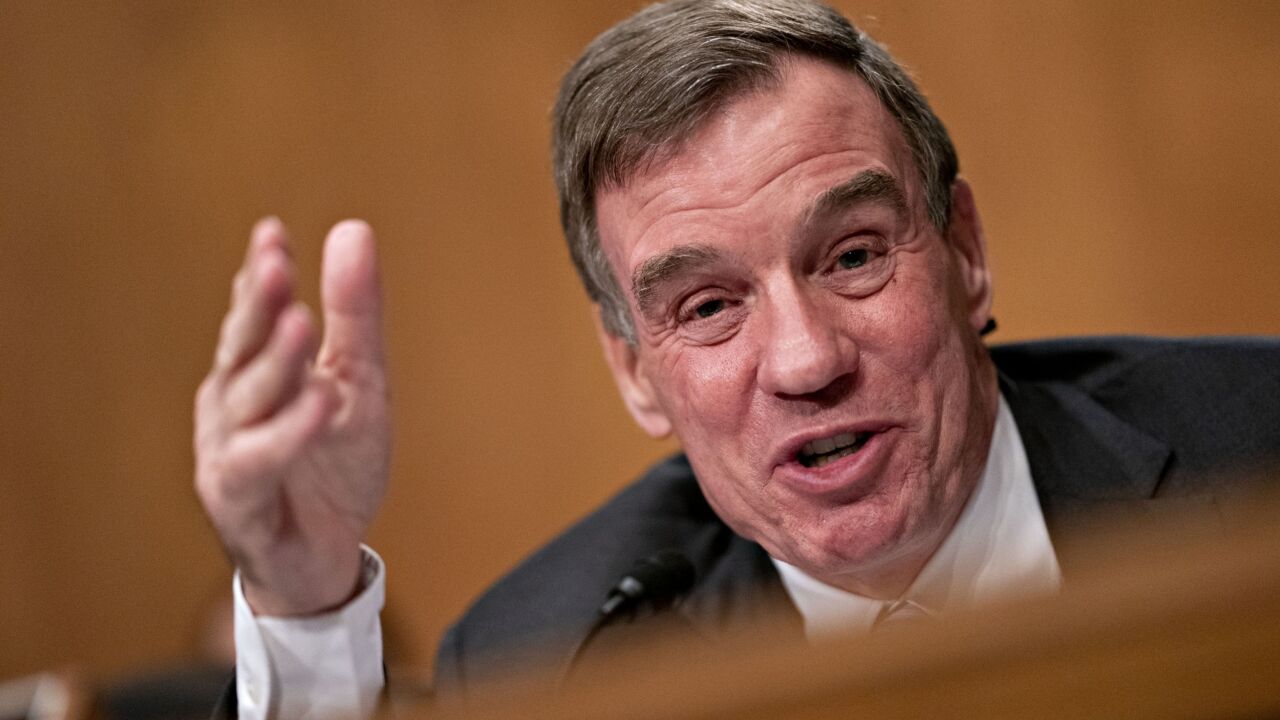
-
State and local governments have increasingly filed COVID-19-related disclosures to the market, but only about 931 issuers out of roughly 40,000 have filed over 1,500 material event notices and continuing disclosures since the pandemic began.
 June 2
-
Federal Open Market Committee members have been adamant that negative rates would be a last resort.
 June 2
-
Some investors expressed concern over the market‘s muted reaction to the country’s depth of effects over the current crises.
June 1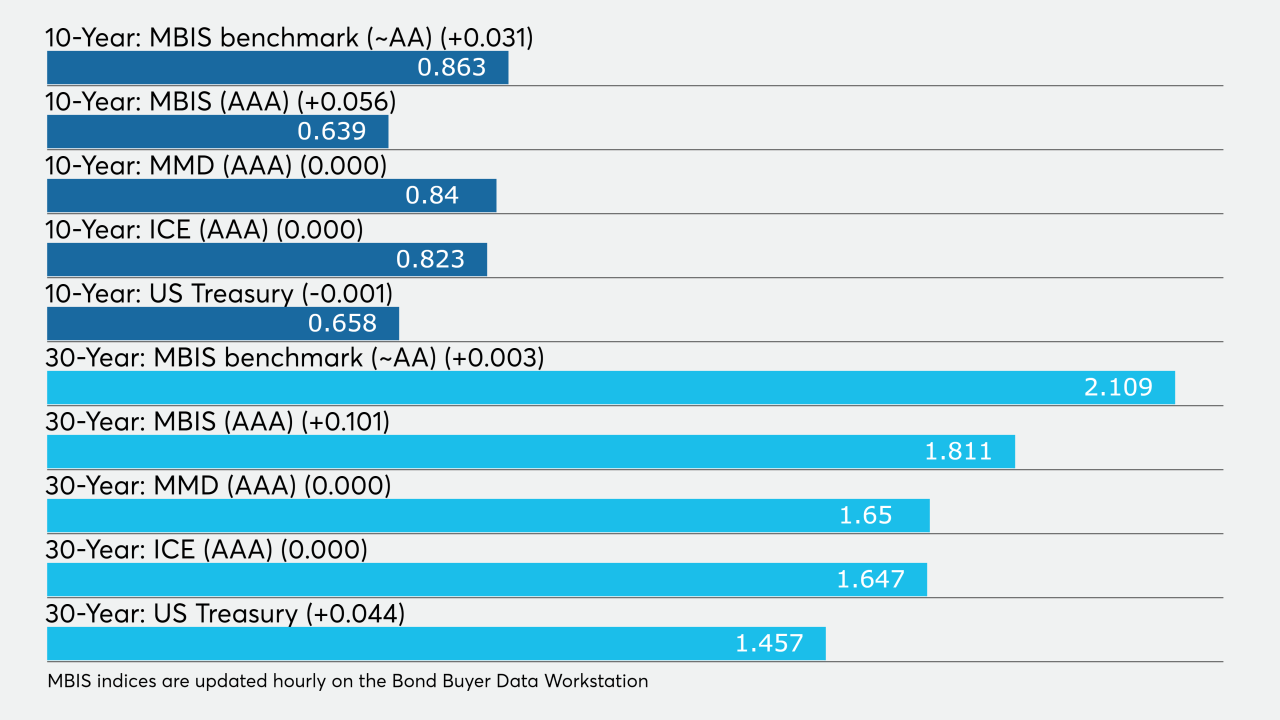
-
Tightening spreads and low yields ended the month as demand for municipal bonds is expected to overwhelm $6 billion in volume heading to the primary.
May 29
-
Municipal to U.S. Treasury ratios have been a focus for many participants of late. Historically attractive ratios, low supply, and continued fund inflows are creating some strength in the municipal market.
May 28
-
Joseph Pollock will be responsible for covering hospitals and healthcare systems across the United States.
May 28
-
The bill was set aside as state lawmakers limit legislation to the issues of housing, wildfires and coronavirus. Meanwhile, more cities and counties issue POBs.
May 28


