-
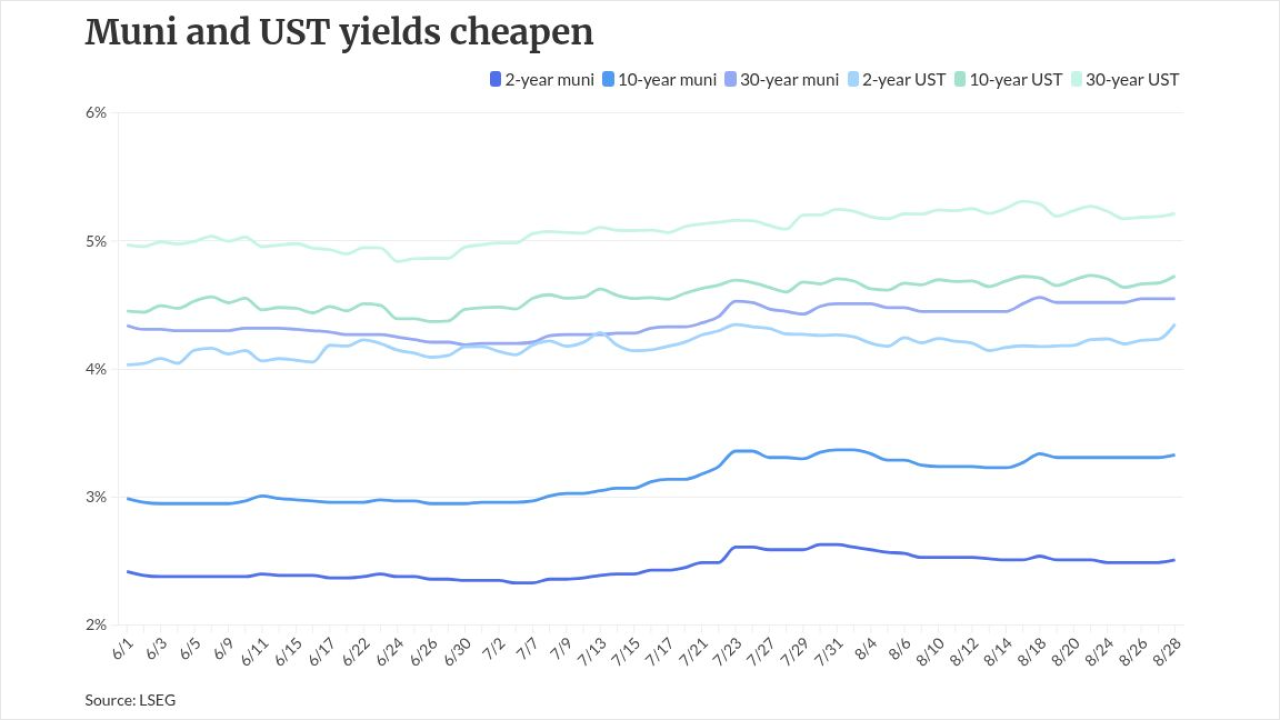
The front-end cheapening follows Wednesday's bear flattening of the UST curve in response to the Federal Reserve hiking rates and a median 2026 dot that implied another hike before yearend, said Kevin McGuigan, director at Municipal Market Analytics.
 September 17
-
Market participants broadly expected a rate hike, but the FOMC statement and press conference both rang more hawkish than what the markets probably anticipated, said Chris Brigati, managing director and CIO at SWBC.
 September 16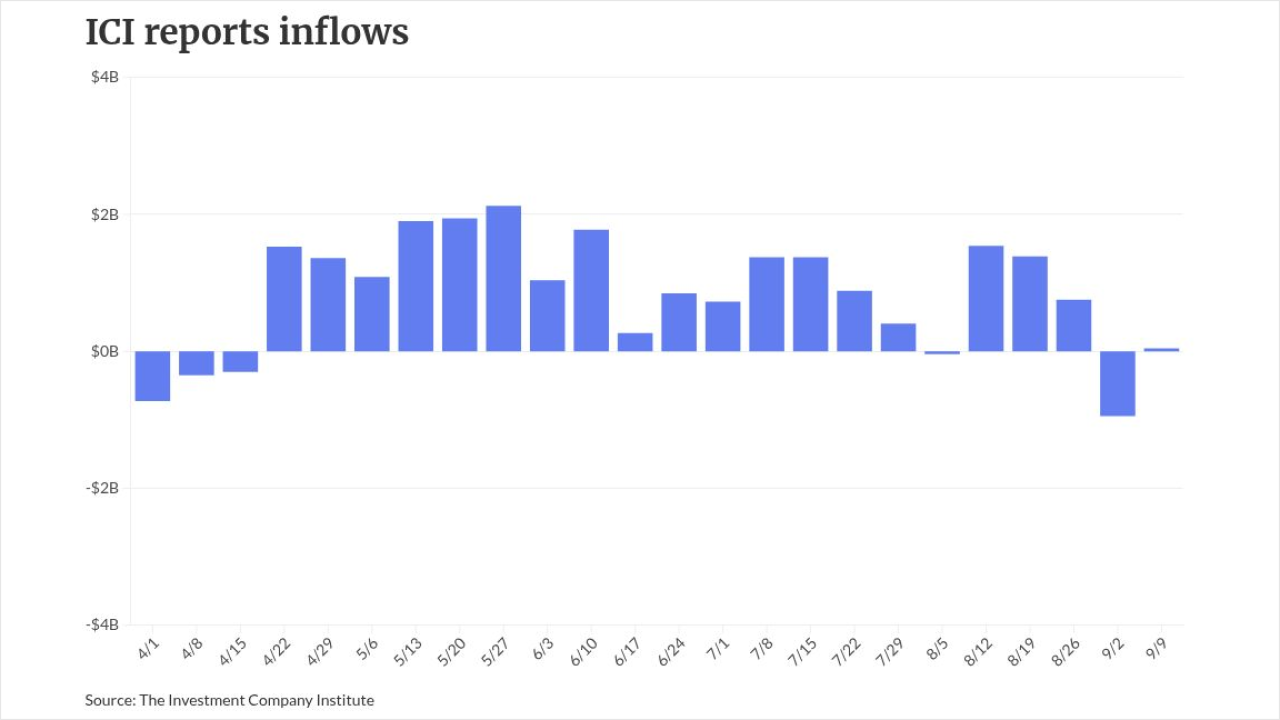
-
Market conditions are attractive on the long end, which has weakened, said Kim Olsan, senior fixed income portfolio manager at NewSquare Capital.
September 16
-
The municipal market is completely a buyer's market right now, said Kim Olsan, portfolio manager at NewSquare Capital: "I wish I had more cash to put to work."
September 15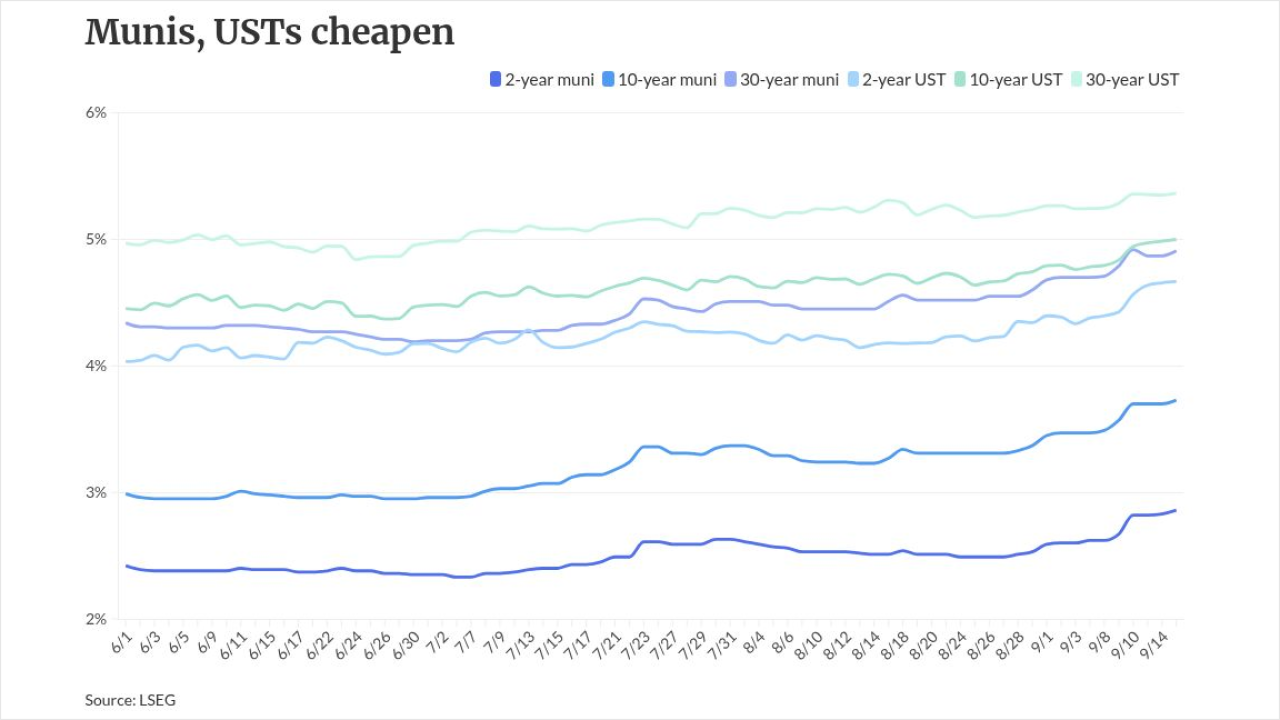
-
There is "a lot of nervousness in the Treasury market right now" ahead of the FOMC meeting, said Tim Iltz, fixed income credit and market analyst at H.J. Sims. That nervousness helped the 10-year UST hit 5% on Monday.
September 14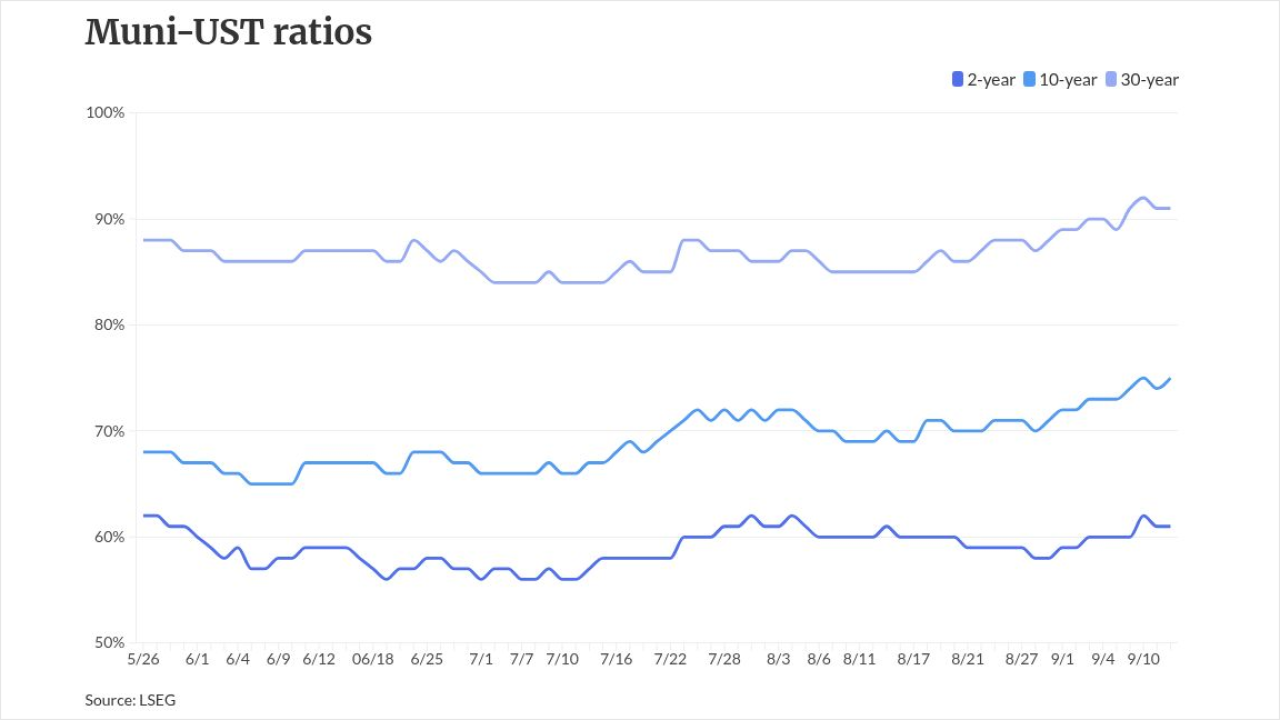
-
Issuance this week is down from last week's $15-plus-billion new-issue calendar, partly due to the FOMC meeting.
September 14
-
Munis got a bit oversold on Thursday, SWBC's Chris Brigati said. Next week's lighter calendar and FOMC meeting should help stabilize the market.
September 11
-
Since the end of June, long-dated muni yields have risen by upward of 50 basis points, pushing yields to the highest levels since the tariff-induced volatility in April 2025.
September 10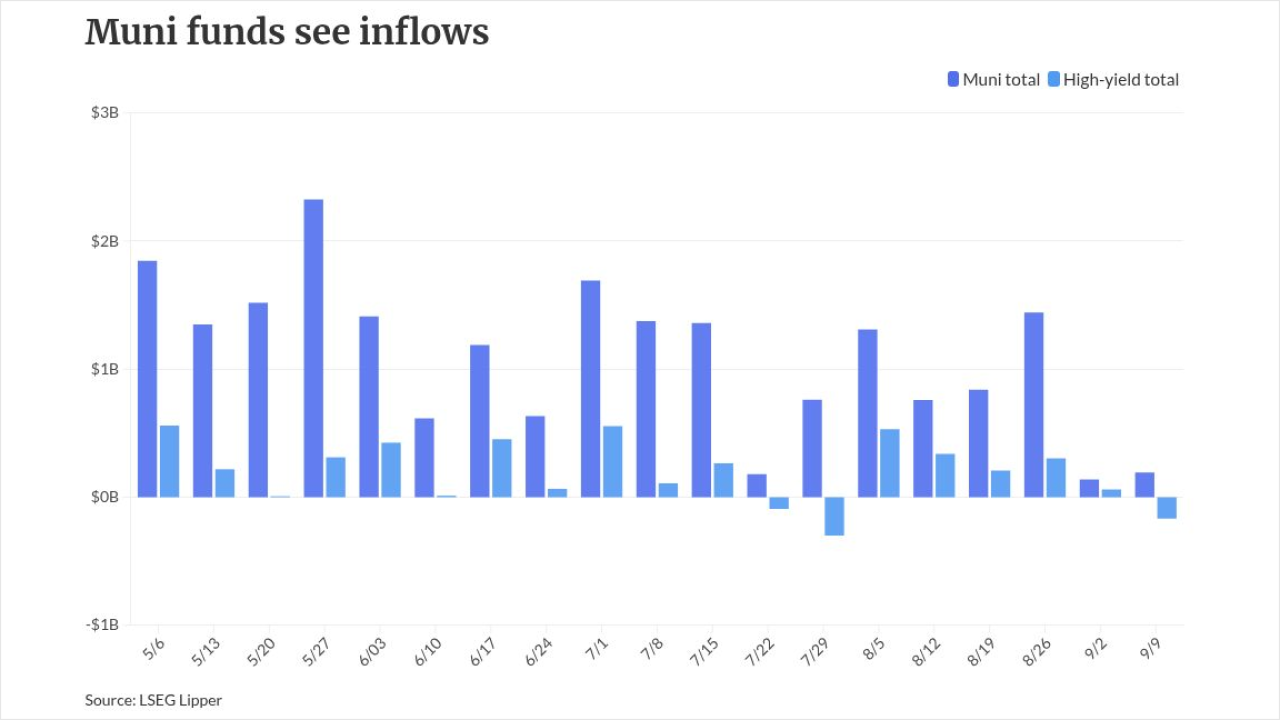
-
Fear of inflation is hitting all markets, MMA Director Kevin McGuigan said, but high supply and low reinvestment cash mean it's hitting munis harder.
September 9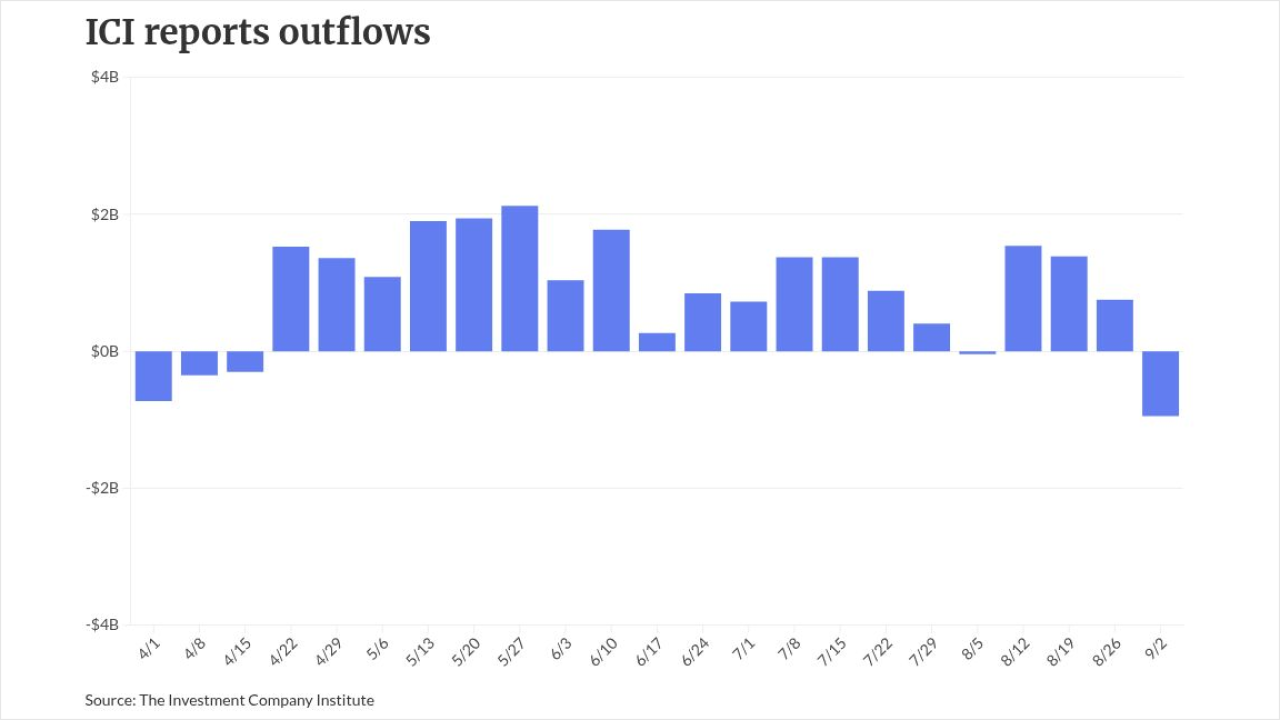
-
This week's new-issue calendar is sizable, NewSquare Capital's Kim Olsan said, given fairly light September redemptions. Around a third of the $15 billion calendar is tied up in deals from New York City and Alabama.
September 8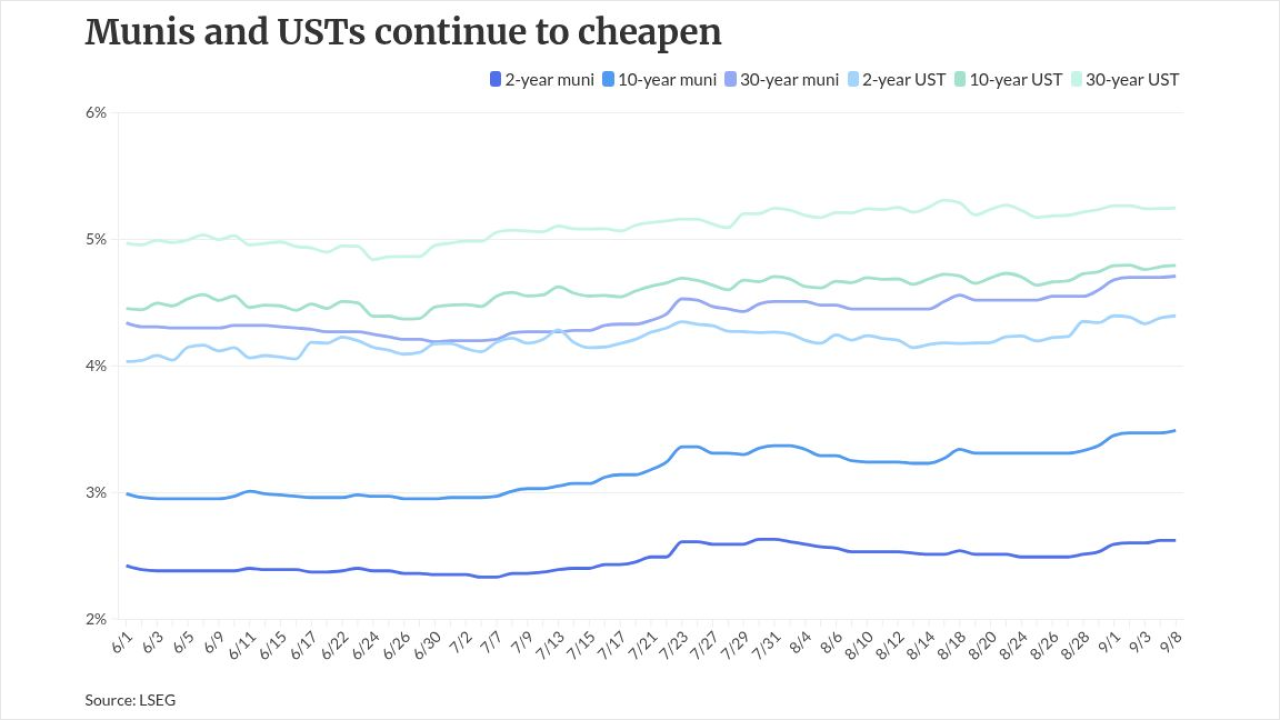
-
For a change, Alabama's big supply is not a prepay deal but financing for a bridge in Mobile, CreditSights strategists said.
September 8
-
A stronger-than-expected nonfarm payroll report reignited fears that the Federal Reserve will hike rates. Munis and USTs had a somewhat muted reaction, according to Hennion & Walsh's James Pruskowski.
September 4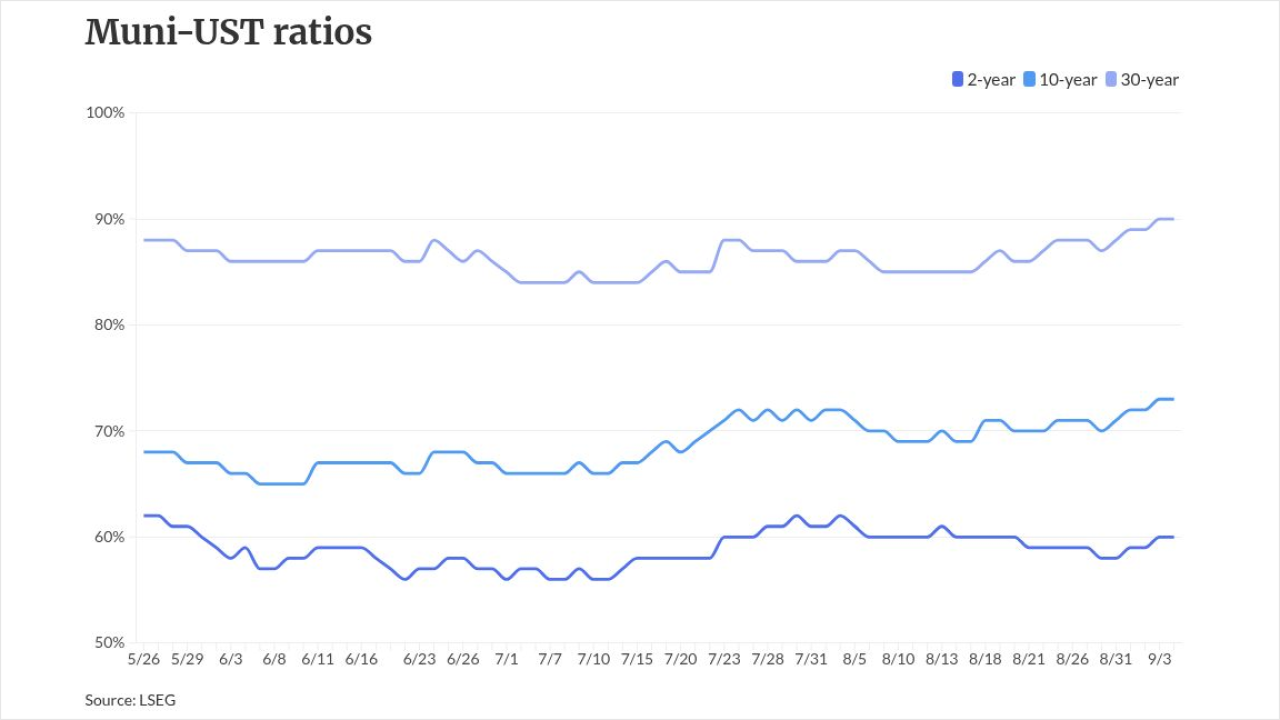
-
"The reason the number [of trade counts] is a record and not just elevated is structural, and it's been building for years," said Josh Rosenblum, head of municipal trading strategies at Brownstone.
September 4
-
The market is striking a better tone as investors are less worried about rate hikes, NewSquare Capital portfolio manager Kim Olsan said.
September 3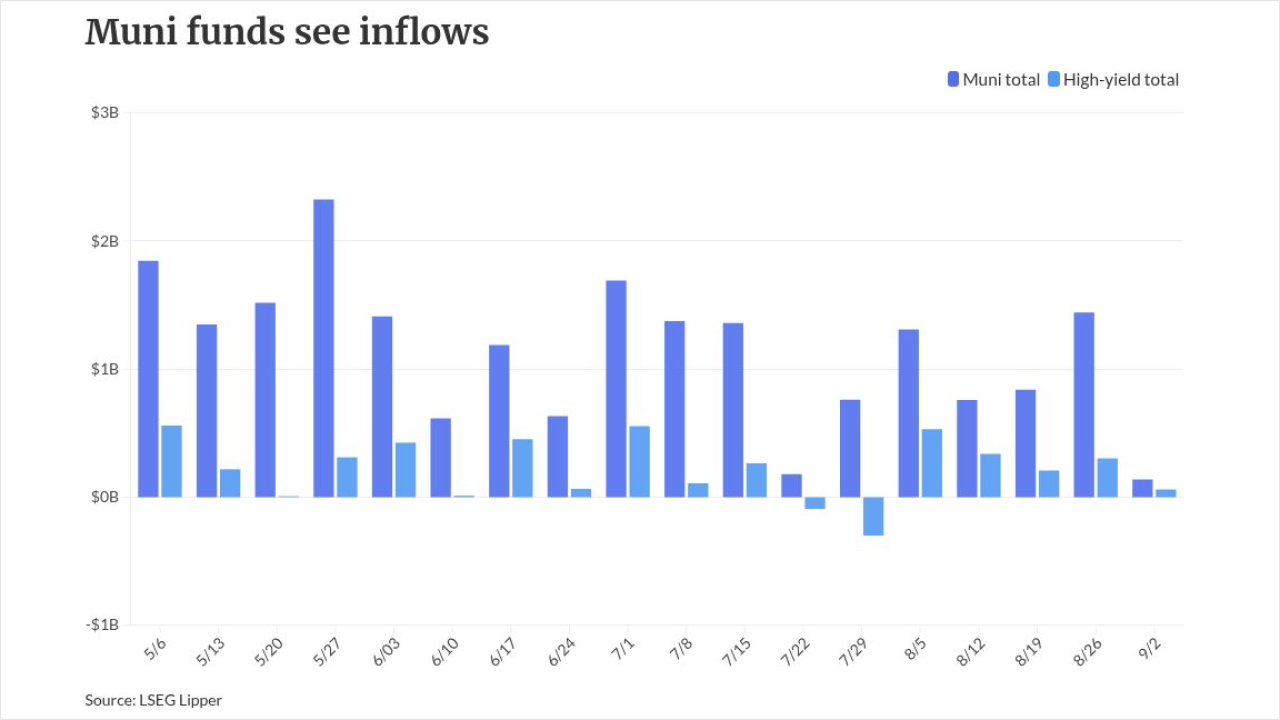
-
Supply hasn't let up since Tuesday's selloff. Muni yields will likely continue to rise as the new issue market offers investors a "buffet" of options, according to H.J. Sims analyst Tim Iltz.
September 2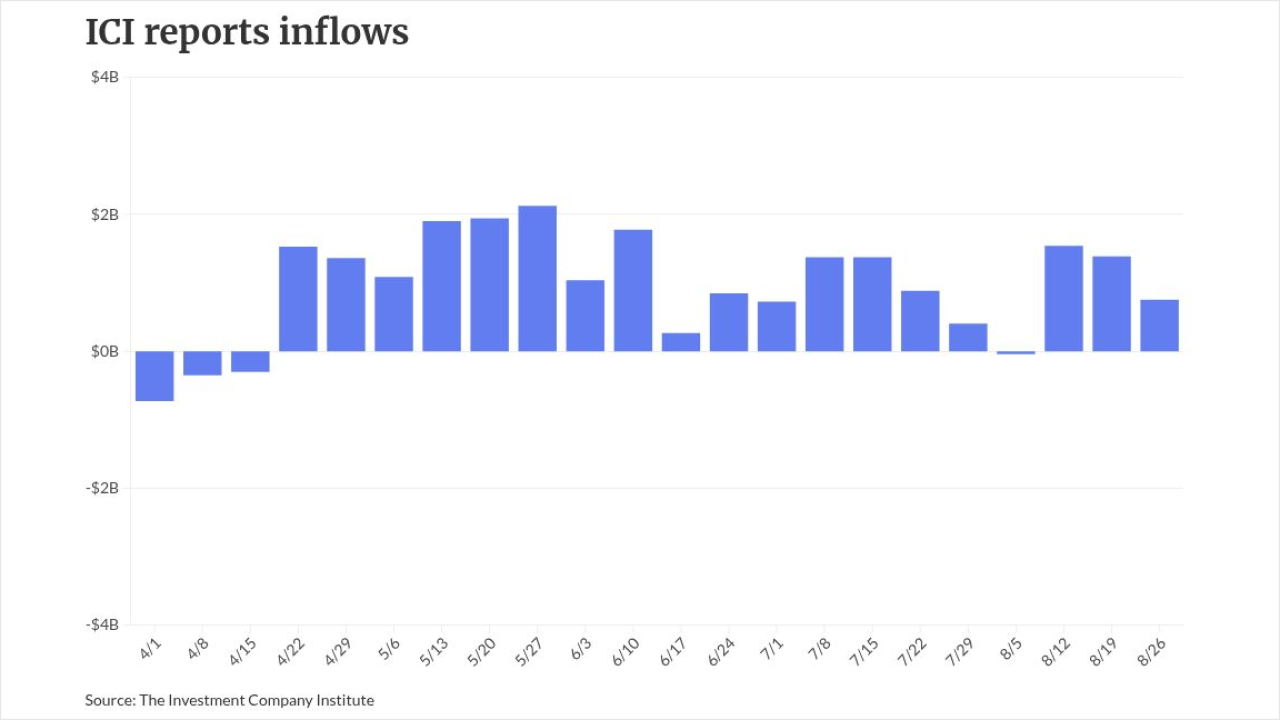
-
The muni selloff is likely to continue if UST yields stay elevated, according to SWBC's Chris Brigati.
September 1
-
"The muni market selloff is primarily a result of Treasury movement, but the orderliness of it in terms of not getting any more volatility in munis than Treasuries is a direct result of people's ability to withstand those moves," said Jeff Timlin, managing partner and head of municipal bond investing at Sage Advisory.
September 1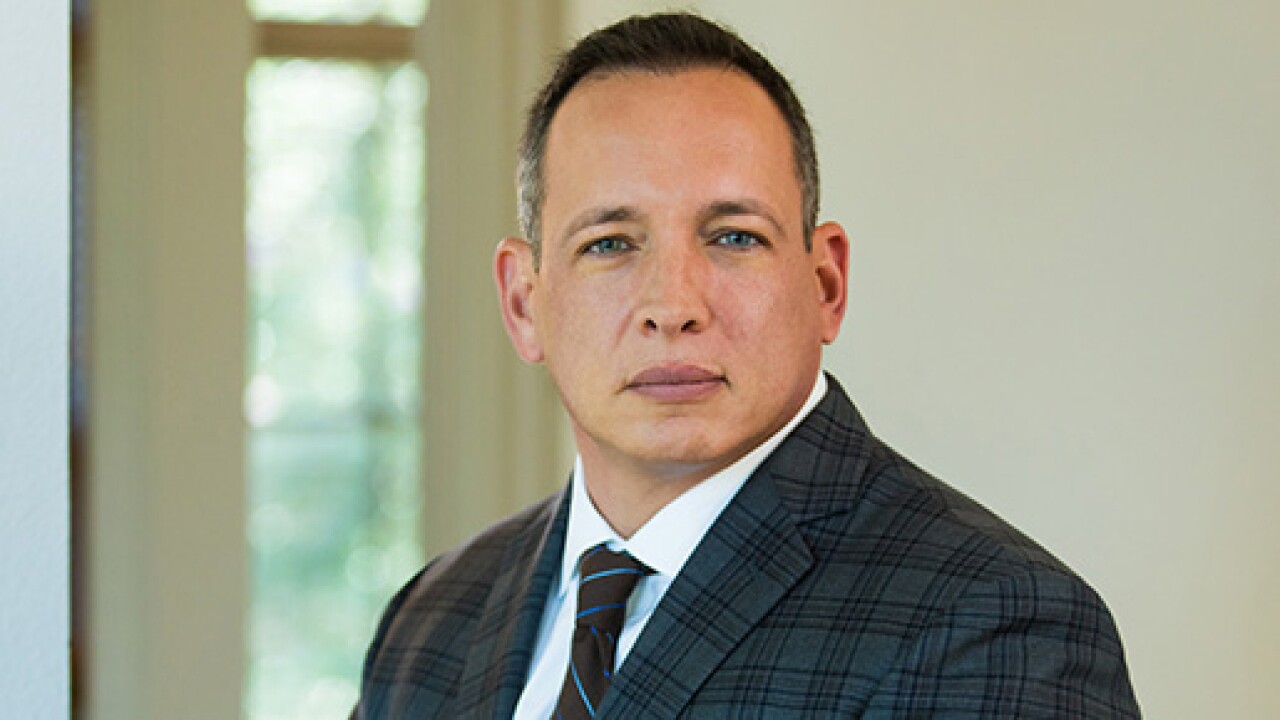
-
This week marks the end of the "summer redemption season," said Pat Luby, head of municipal strategy at CreditSights, and the ensuing reduction in redemptions will lead to an increase in net supply.
August 31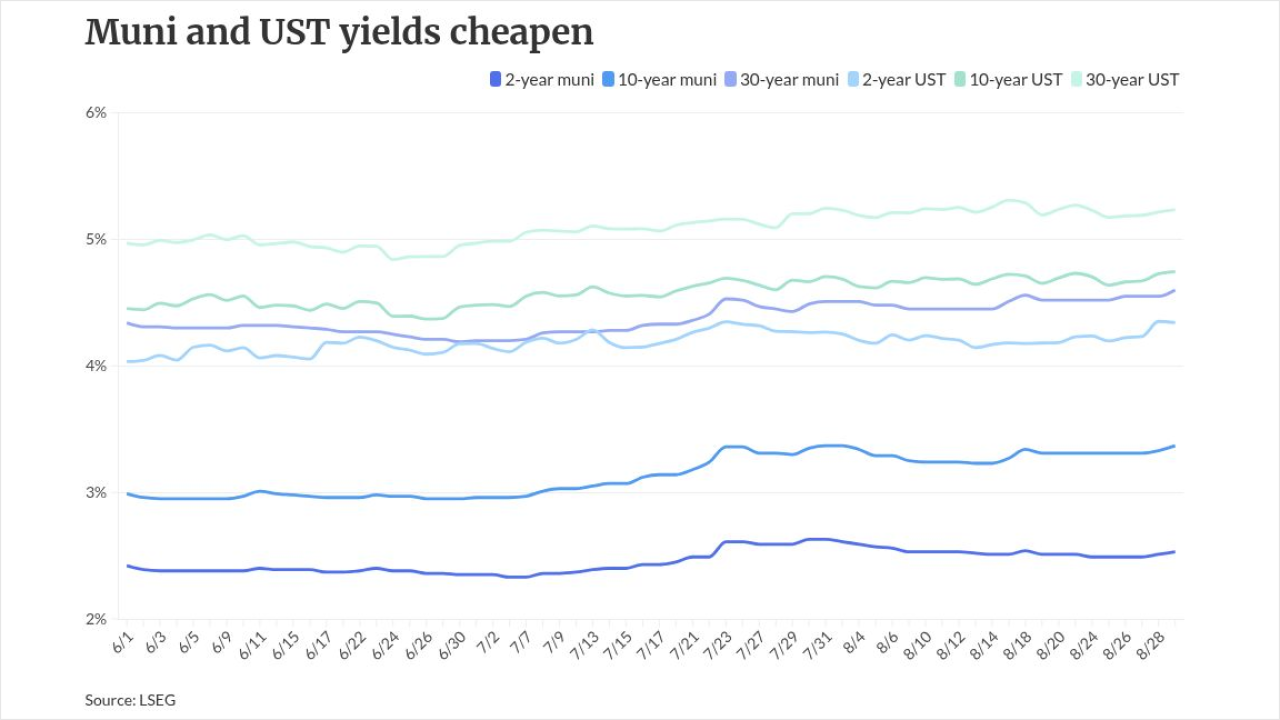
-
This week, issuance is estimated at $12.821 billion, with $9.301 billion of negotiated deals on tap and $3.519 billion of competitives, according to LSEG.
August 31
-
Fed Chair Kevin Warsh took a hawkish tone on inflation in his Jackson Hole speech, sparking a selloff in short-term UST yields.
August 28