
-
A phase-out of U.S.-China trade tariffs would keep the Federal Reserve on the sidelines.
November 7
-
Analysts are skeptical of Fed Chair Jerome Powell's signal that policy makers will keep rates at a range of 1.50% to 1.75%.
October 31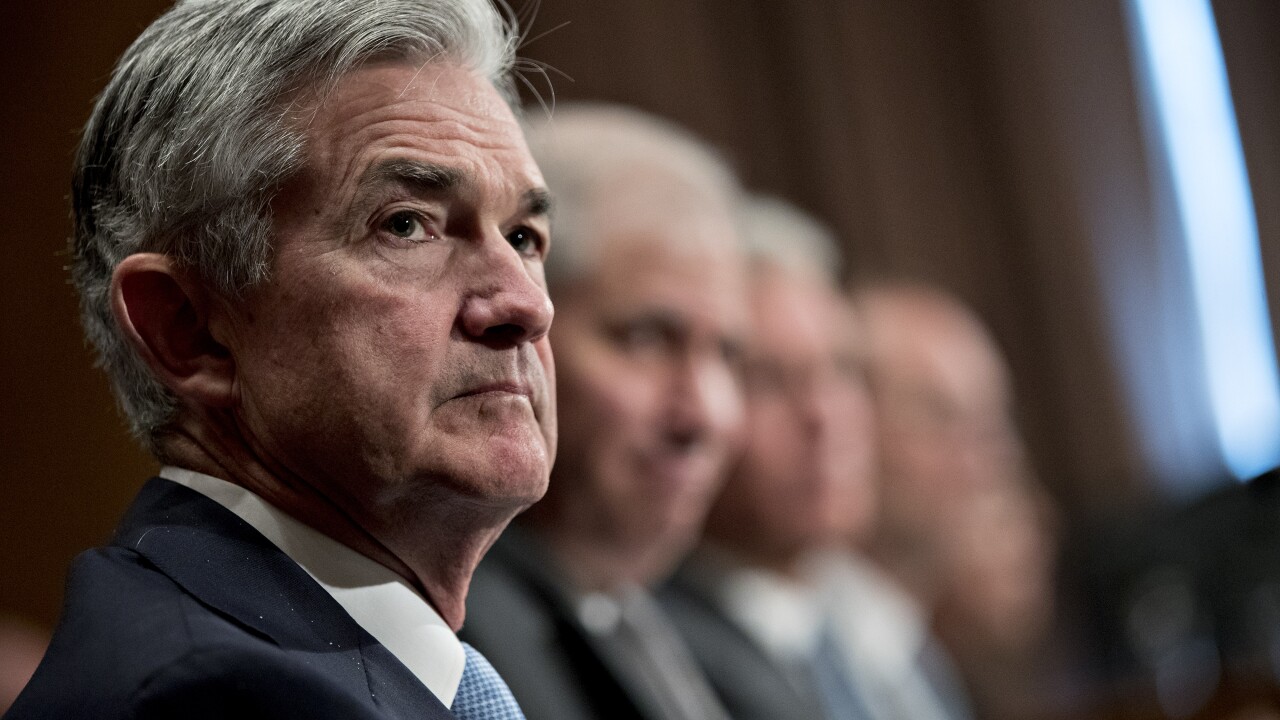
-
September durable goods orders fell more than expected, while orders for non-defense capital goods excluding aircraft also dropped, suggesting production won't rebound this year.
October 24
-
While the economic indicators released on Thursday suggested a weakening economy, a deeper dive by analysts offers a different view.
October 17
-
Part of the problem could be “the apparent failure of mainstream economic models to capture fully the current reality.”
October 10
-
The Federal Reserve took center stage again Friday, with two presidents explaining why they dissented at the latest meeting and Vice Chair Richard Clarida terming it “healthy” debate.
September 20
-
Two dissents on the vote to cut rates were the first of Chairman Jerome Powell's term.
August 22
-
Durable goods orders rose as non-defense capital goods orders excluding aircraft posted their largest gain since February 2018.
July 25
-
With the neutral rate of interest rate extremely low, New York Fed President John Williams suggested the keys are acting quickly and keeping rates lower longer.
July 18
-
After a string of proposed candidates who didn’t pan out, Trump picks new Fed nominees.
July 3
-
Further increases in weekly jobless claims would bolster the case for lower interest rates.
June 13
-
The standoff continues as the Fed won't talk rate cuts and the market continues to expect more.
June 6
-
Analysts homed in on the phrase “some time” and the absence of rate cut discussion in the minutes of the last Federal Open Market Committee meeting..
May 23 -
Financial markets ignored surprisingly strong data and stayed focused on tariffs and developments in talks with China.
May 16
-
The April producer price index grew less than expected, suggesting inflationary pressure will remain weak.
May 9
-
The level of initial jobless claims fell by 5,000 to 192,000 in the April 13 survey week, below the 205,000 level expected.
April 18
-
Filings for U.S. unemployment benefits unexpectedly dropped, falling to the lowest level since October 1969, as the tight labor market showed little sign of easing.
April 11
-
Filings for U.S. unemployment benefits unexpectedly fell, dropping to the lowest since December 1969, as the labor market tightened further.
April 4
-
The level of initial claims fell by 5,000 to 211,000 in the March 23 week.
March 28
-
The level of initial claims fell by 9,000 to 221,000 in the March 16 week, below expectations for a 225,000 reading.
March 21


