

Caitlin Devitt has covered the municipal bond market since 2008. She began her journalism career at the Herald Newspapers on the South Side of Chicago, starting as a reporter and rising to Managing Editor. While at The Bond Buyer, she covered the Detroit bankruptcy among other Midwest-based stories. Devitt joined Debtwire Municipals in 2016, where she covered the high-yield municipal bond market for five years, before returning to the Bond Buyer as Senior Infrastructure Reporter. She lives in Chicago with her family.
-
The jump signals a big pipeline of projects on the horizon.
February 14 -

The scheduled expiration of the TCJA tax cuts "is the most significant factor pushing up tax revenues relative to income over the next 10 years," the CBO said.
February 13 -

An initial toll corridor would require $8.5 billion in upgrades, which would be financed by a new bond credit under a plan under consideration by Michigan lawmakers.
February 10 -

Translating bipartisan support for infrastructure funding into support for long-term financing is a key lobbying goal for the municipal bond market.
February 8 -

Recent federal legislation marks the largest investment in carbon management in the history of the U.S., which is already a global leader in the space.
February 7 -

The $10,000 state and local tax deduction cap is an important issue for high tax states like New York and California and investors who trade paper from those states.
February 2 -

The political uncertainty could eat into the number of "clean weeks" for issuance, said Citi's Vikram Rai.
February 2 -

Alex Chilton is the firm's new head of municipal securities. Zach Solomon and David Gallin are co-heads of public finance.
February 1 -

The $292 million federal grant comes from the Mega grant program for large, complex infrastructure projects, which had a "wildly competitive" first year, said Transportation Secretary Pete Buttigieg.
January 31 -

The lawsuit comes as higher education energy concessions have become one of the most active spaces in the P3 market.
January 30 -

Kelly has twice introduced legislation to broaden private activity bonds.
January 27 -

A group of top local government associations have formed a new legal coalition aimed at Supreme Court cases that carry municipal implications.
January 26 -

Open data standards will help Flint "tell its story" and benchmark itself against other cities, said CFO Robert Widigan.
January 25 -

Roger Millar, AASHTO's new president and chief of Washington's Department of Transportation, joins Caitlin Devitt to talk about the rollout of the Bipartisan Infrastructure Law, how a tight labor market and inflation are impacting capital plans, what a divided Congress means for transportation and an update on the Pacific Northwest's high speed rail project. (24 minutes)
January 24 -

The latest definition of federal waters includes roadside ditches, which some industry groups say will make transportation projects more costly and time-consuming.
January 24 -
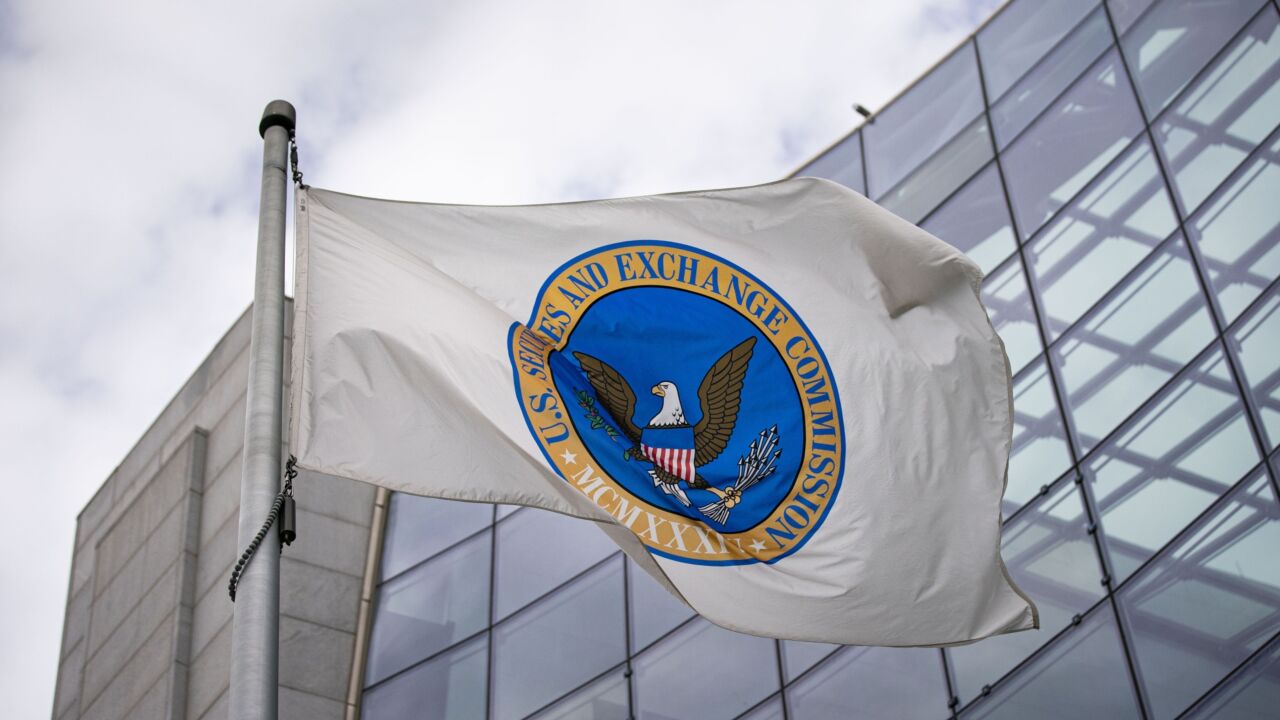
BVAL marketed its bond valuation methods as sophisticated but sometimes based the valuation on a single broker quote, the SEC said.
January 23 -

High-speed rail connecting Portland, Seattle and Vancouver, B.C. would spark $355 billion in economic development, supporters say.
January 20 -

Transportation sectors from airports to toll roads are expected to remain stable despite a likely recession and high inflation and interest rates, ratings analysts said.
January 19 -

The alliance will hold semi-annual conferences to consider innovative solutions to infrastructure financing and delivery.
January 18 -

Treasury typically suspends the sale of new state and local government series securities when nearing the borrowing cap.
January 17


