-
The Federal Reserve Bank of Philadelphia Report on Business general business conditions index dropped to negative 4.1 from positive 17.0.
 February 21
-
Builders’ confidence in the market for new single-family homes grew as the National Association of Home Builders' housing market index climbed to 62 in February from 58 in January.
February 19
-
New York service sector activity “grew at a fairly solid clip” in February, according to the Federal Reserve Bank of New York's Business Leaders Survey, released Tuesday.
February 19
-
The University of Michigan’s preliminary February sentiment index rose to 95.5.
February 15
-
Import prices were down 0.5% in January following a 1.0% decline in December, according to the Bureau of Labor Statistics.
February 15
-
Business activity grew modestly in New York State in February, the New York Federal Reserve said.
 February 15
-
Total industrial production contracted 0.6% in January after a revised 0.1% rise that was also revised down.
February 15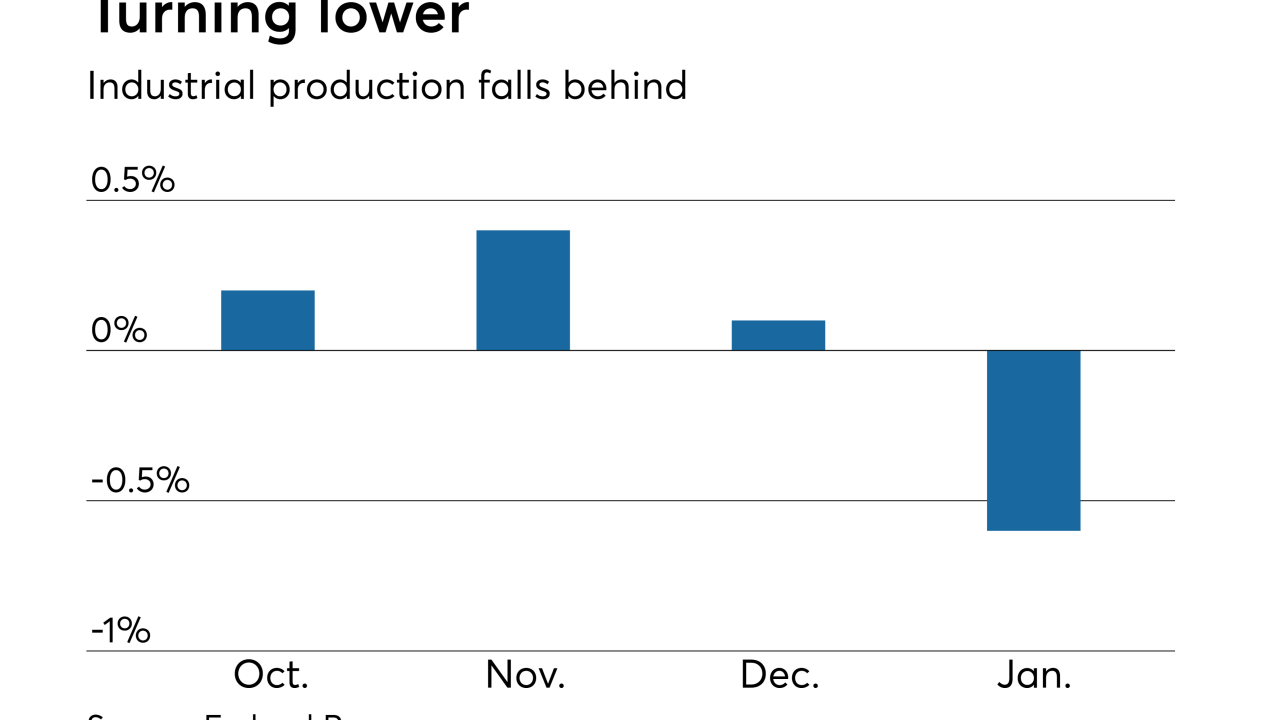
-
The value of business inventories in November was down 0.1% from October vs a 0.2% gain expected by analysts.
February 14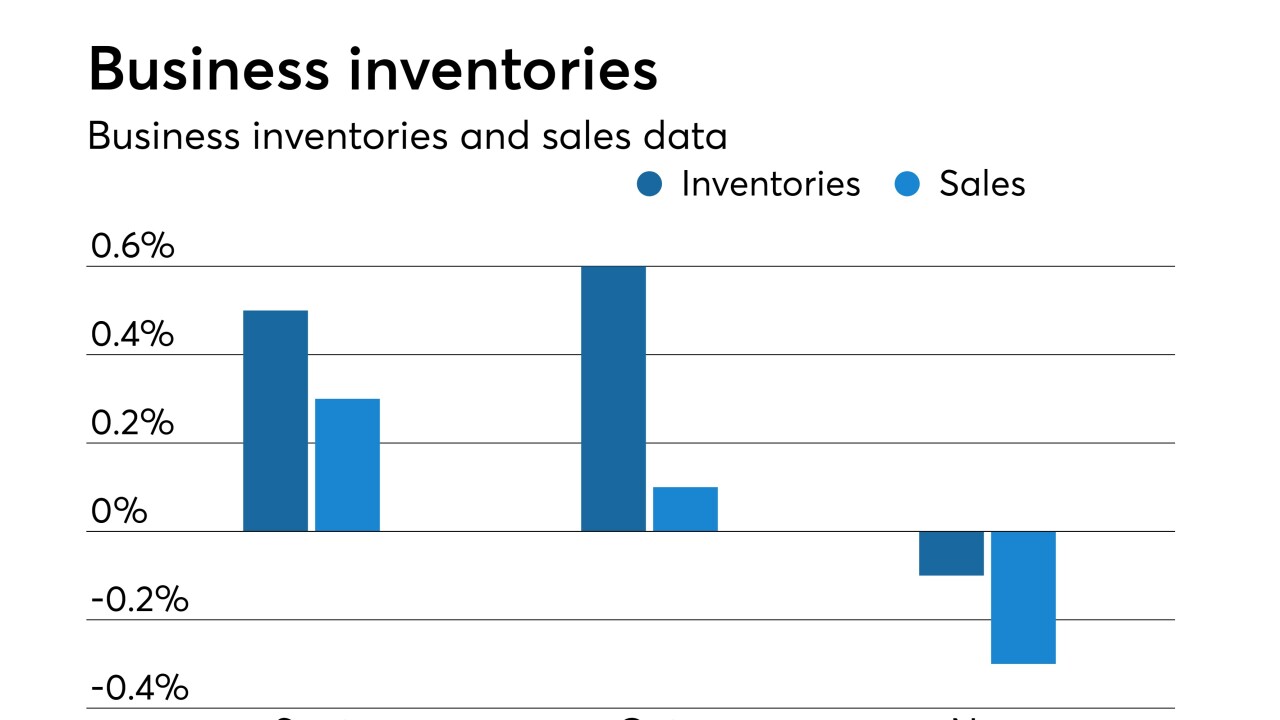
-
The January producer price index data was weaker than expected, falling 0.1% overall. However, there was a 0.3% gain excluding food and energy.
February 14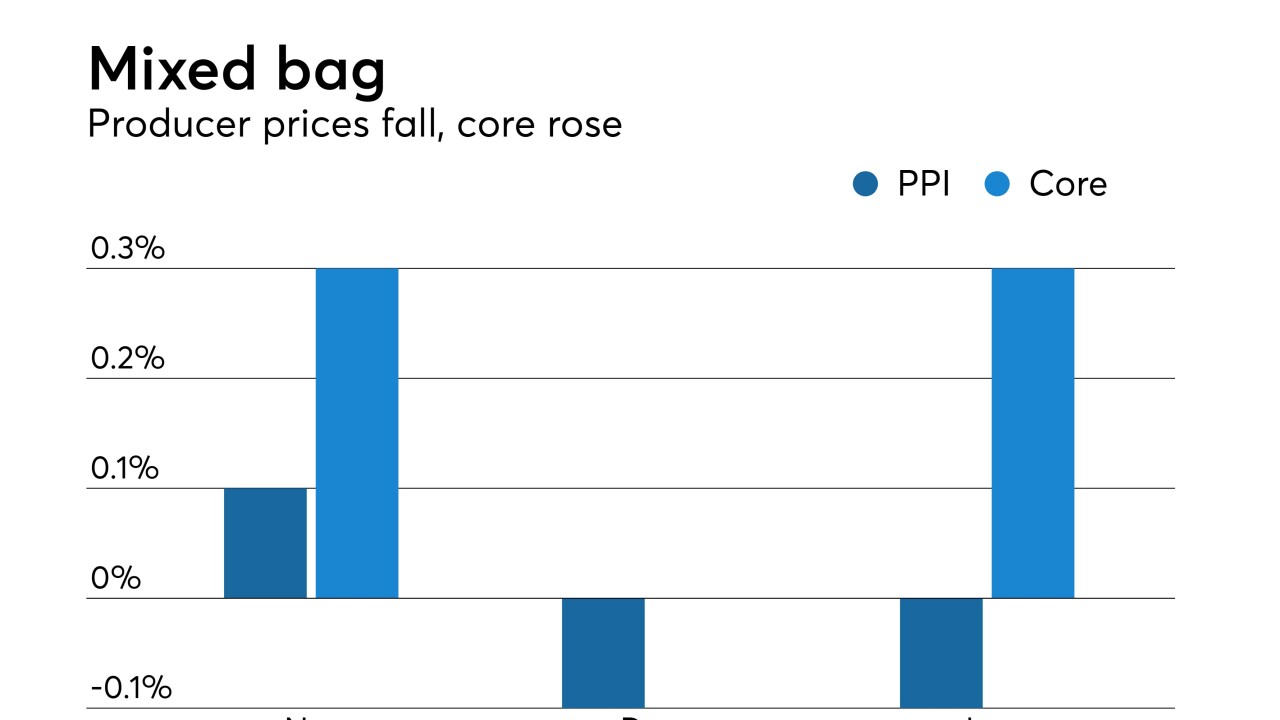
-
Filings for U.S. unemployment benefits unexpectedly rose last week and remain elevated compared with recent trends, a sign of possible residual effects of the partial government shutdown.
February 14
-
U.S. retail sales unexpectedly fell in December, posting the worst drop in nine years in a sign of slower economic momentum at year-end amid financial market turmoil and the government shutdown.
February 14
-
Labor market “activity declined modestly and momentum remained high in January,” as the Federal Reserve Bank of Kansas City Labor Market Conditions Indicators (LMCI) slid to 0.97 from 1.06 in December, the Bank said Wednesday.
February 13
-
A key measure of U.S. inflation was little changed in January while the broader gauge slowed on lower energy costs, underscoring the Federal Reserve's recent decision to be patient on raising interest rates.
February 13
-
U.S. job openings rebounded, reaching a record in December as the rate of those leaving jobs held steady, underscoring robust demand for workers.
February 12
-
Sentiment among U.S. small businesses slumped in January to the lowest level since Donald Trump became president, as the economic outlook weakened amid the longest-ever U.S. government shutdown.
February 12
-
Consumers’ inflation expectations held, while respondents showed more pessimism about the economy.
February 11
-
Consumer credit increased by $16.6 billion in December to $4.010 trillion, the Federal Reserve reported Thursday.
February 7
-
Initial claims for U.S. state unemployment benefits fell by 19,000 to 234,000 in the February 2 week, above expectations for a 221,000 level.
February 7
-
The U.S. international trade gap narrowed to $49.3 billion in November from $55.7 billion in October, the Commerce Department reported Wednesday.
February 6
-
Data for fourth quarter nonfarm productivity and unit labor costs are unavailable due to the delay of GDP data from the Commerce Department.
February 6


