
-
Former Federal Reserve chief Janet Yellen said she’s not a fan of modern monetary theory, saying its proponents are “confused” about what can fuel inflation in the economy.
March 25
-
The U.S. central bank should only raise interest rates once this year “at most” given risks to the economic outlook including Britain’s departure from the European Union, said Federal Reserve Bank of Philadelphia President Patrick Harker.
March 25
-
Donald Trump said he’s nominating Stephen Moore, a visiting fellow at the Heritage Foundation and a long-time supporter of the president, for a seat on the Federal Reserve Board.
March 22
-
U.S. bond markets are signaling that the Federal Reserve is close to a neutral policy stance following three years of interest-rate hikes.
March 22
-
A closely watched section of the Treasury yield curve on Friday turned negative for the first time since the crisis more than a decade ago, underscoring concern about a possible economic slump and the prospect that the Federal Reserve will have to cut interest rates.
March 22
-
President Donald Trump expressed hope the Federal Reserve had finished raising interest rates.
March 22
-
Stephen Moore, a visiting fellow at the Heritage Foundation and a long-time supporter of Donald Trump, is being considered by the president for a seat on the Federal Reserve Board.
March 22
-
Federal Reserve officials scaled back their projected interest-rate increases this year to zero and said they would end the drawdown of the central bank's bond holdings in September.
March 20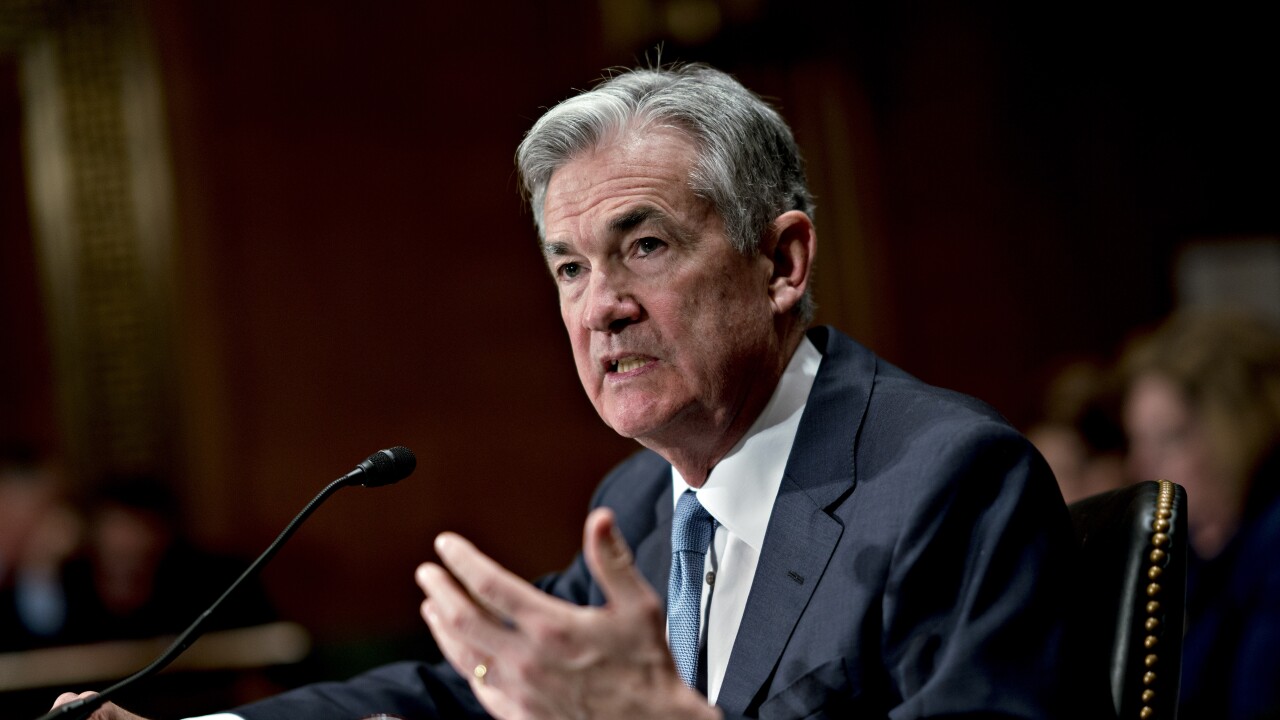
-
Federal Reserve officials say they’re willing to tolerate an overshoot of their inflation goal. If the opposite happens, the plan is less clear.
March 19
-
Although the Federal Reserve has made clear it will hold interest rates for the time being, the panel still has much to discuss, including the end of balance sheet normalization and the Fed’s review of how it formulates, conducts, and communicates monetary policy.
March 18
-
Duane McAllister, managing director and senior portfolio manager at Baird Advisors, explains why the Fed would like to raise rates at least one more time and what it learned in 2018. Gary Siegel hosts.
March 14
-
After years of rock-bottom interest rates and with unemployment at 3.8%, where is the inflation.
March 12
-
Federal Reserve Chairman Jerome Powell said interest rates can remain on hold as the U.S. central bank waits to see how conditions abroad evolve.
March 11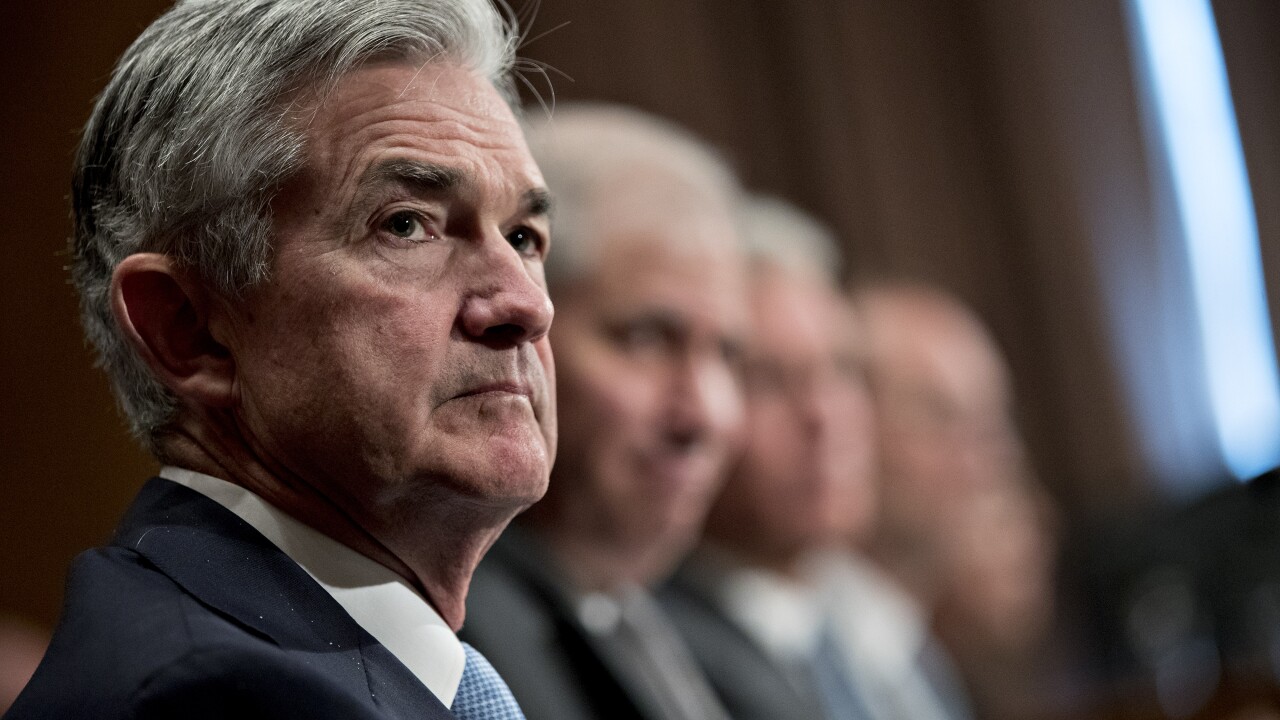
-
A gauge of U.S. economic health closely watched by the Federal Reserve is flashing warning signs for the second time this year.
March 8 -
A weakening economic outlook in the U.S. and abroad argue for a “softer” path for interest rates than central bankers previously envisioned, Federal Reserve Governor Lael Brainard said.
March 7
-
The U.S. economy cooled in the first two months of 2019, with growth characterized as “slight-to-moderate” across most of the country in a Federal Reserve survey.
March 6 -
Slower economic growth shouldn’t be a concern since it’s the “new normal,” according to Federal Reserve Bank of New York President John Williams, who said Wednesday this allows the Fed to be patient and data dependent on rate changes.
March 6
-
Federal Reserve Bank of Dallas President Robert Kaplan is sounding a warning bell on U.S. corporate debt, arguing it could pose risks to the economy should growth sour.
March 5
-
With signs of economic weakness toward the end of 2018 and a rise in downside risks, the Federal Open Market Committee can wait “several meetings” before changing rates, Federal Reserve Bank of Boston President Eric Rosengren said Tuesday.
March 5
-
Federal Reserve Board Chair Jerome Powell again professed patience on monetary policy Thursday night.
March 1


