-
The competitive sale comes as the market prepares for a very New York-heavy week next week in the primary.
 September 18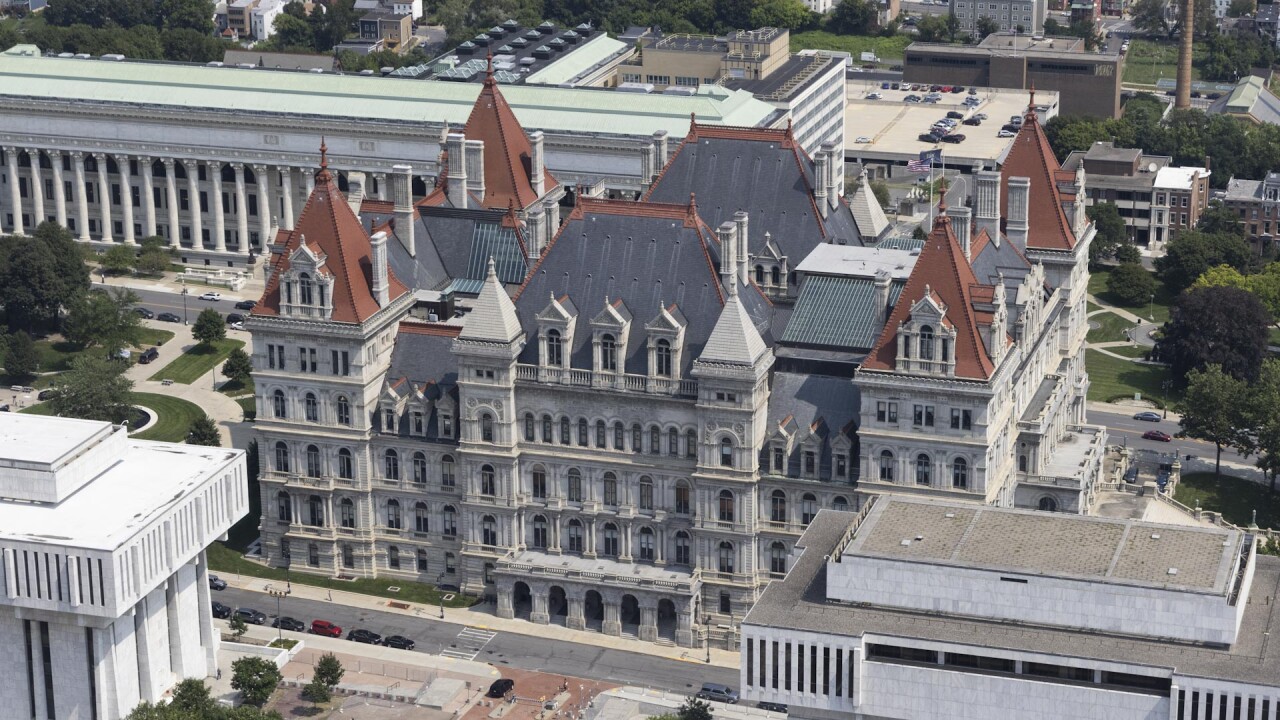
-
The $105 million of power project revenue refunding bonds deal for Plum Point Energy Station in Arkansas comes amid tighter emission regulations.
 September 18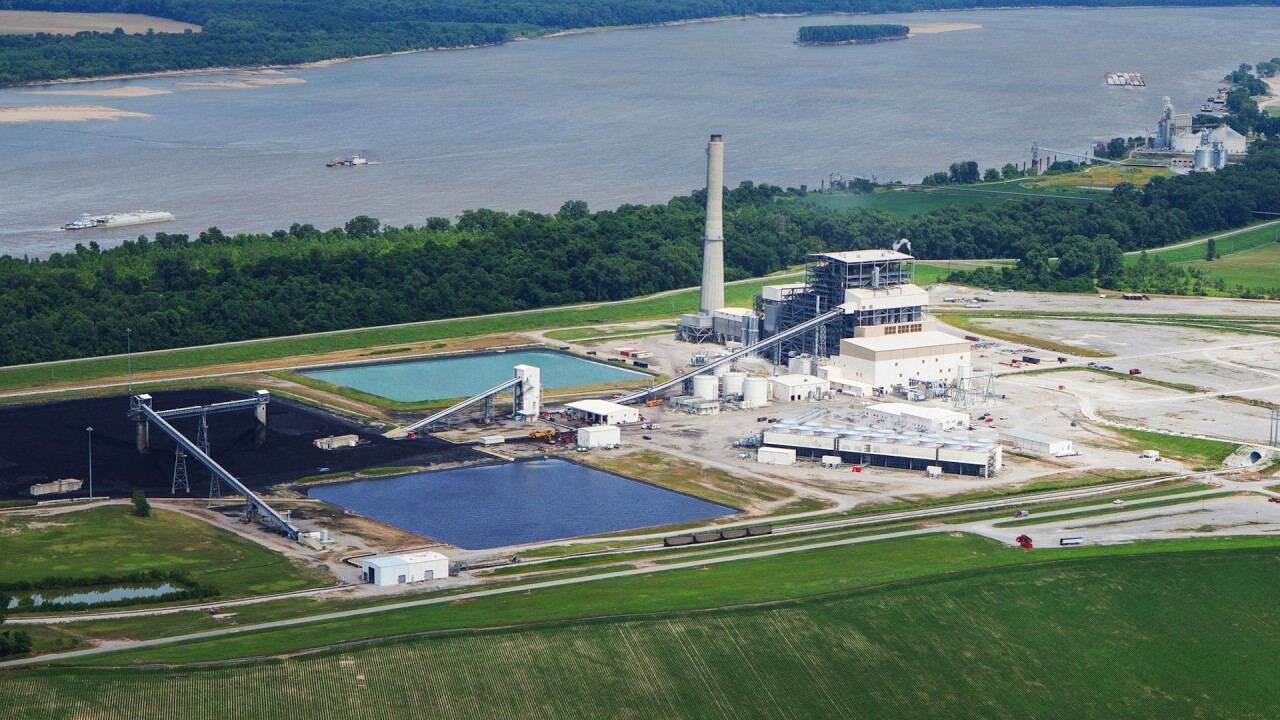
-
Amendment A on the Nov. 5 ballot would allow the state government to tap revenue currently earmarked for public education for other purposes.
 September 17
-
Philadelphia, New Jersey and the 76ers could all spend billions of dollars. Opponents argue no one will be getting a good deal.
September 16
-
California's state government typically pushes out billions of dollars of debt from August to November. This year there may be a shift in buy side sentiment.
 September 13
-
Analysts say the Jacksonville, Florida, utility has been able to move past concerns over its attempt to breach a contract with MEAG and to privatize.
 September 12
-
When Ohio's Community Memorial Hospital shuttered on Aug. 31, it became the latest small-town Midwest hospital to hit insurmountable financial troubles.
September 11
-
Stagnant per-pupil state funding amid rising costs led to budget deficits, lower reserves, and ballot proposals to raise property tax rates for some districts.
September 10
-
Massachusetts drew multiple bidders for all four tranches when it sold $850 million of general obligation bonds competitively last week.
September 9
-
The good, the bad and the ugly for two of California's major cities when they sell debt in current market conditions.
September 6
-
Subsidence has delayed completion of the new Belle Chasse Bridge, a project led by one of the developers of the $2.3 billion Calcasieu Bridge project.
September 5
-
Illinois will sell up to $1.1 billion of general obligation refunding bonds and $600 million of taxable and tax-exempt GO bonds by the end of September.
September 4
-
The Dallas-Fort Worth region toll highway owner and operator aims to rake in savings from the deal as it expects to cash fund a $2 billion capital plan.
September 3
-
A bill would allow the California Infrastructure and Economic Development Bank to issue debt for California's FAIR Plan, its property insurer of last resort.
August 30
-
The bonds will fund infrastructure in one of 21 community development districts that have built the age-restricted 55-and-up Villages to more than 76,000 homes.
August 29
-
Chicago will bring to market $1 billion of bonds for O'Hare International Airport, part one of a three-phase financing plan for 2024.
August 28
-
While the nonprofit hospital sector shows signs of stabilizing, Houston-based Texas Children's Hospital faces fiscal problems that led to two rating downgrades.
August 27
-
The purpose of restructuring is to help the Pennsylvania hospital operator "avoid a bankruptcy scenario," said Dora Lee of Belle Haven Investments.
 August 26
-
Issuers in five Far West states increased their borrowing the first half of the year, while four saw sizable decreases.
August 23
-
The region's municipal bond volume grew by 42.4%, outpacing the nationwide 32% increase in a first-half marked by gas prepay deals and Brightline's big sale.
August 22


