-
Invaluable insight for those in the LGBTQ community and all those who want to be better allies from the lived experience of Maeve DuVally from Goldman Sachs
November 25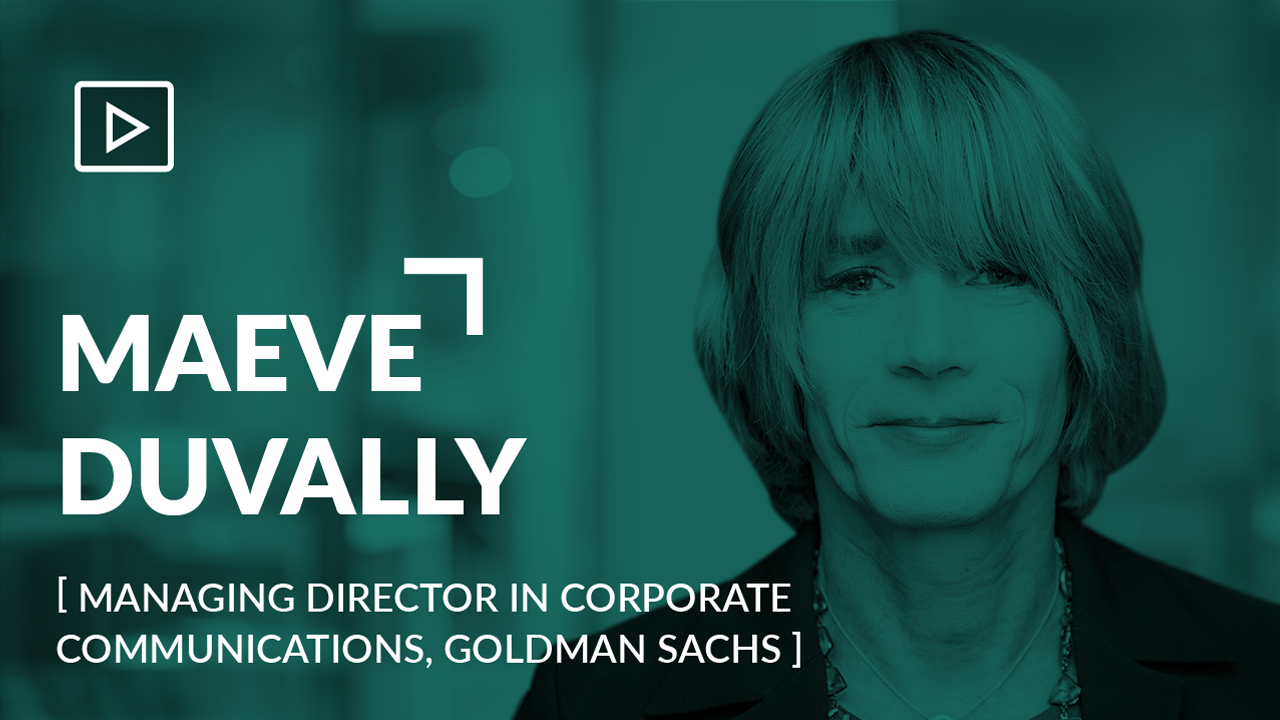
-
In unofficial election results, four Virginia cities appear to have won approval to open the state's first casinos; a dozen bond referendums won tentative approval.
November 4
-
While many companies and organizations try, diversity and inclusion efforts within the financial services have generally failed. What needs to be done in order to succeed? Join us for a panel discussion featuring guests from the Access Denied: Systemic Racism in Financial Services podcast.

-
From pervasive discrimination at work to the dangers of #BankingWhileBlack, Black people in America face serious hurdles when engaging with the financial services. Join us for a panel discussion featuring guests from the upcoming Access Denied: Systemic Racism in Financial Services podcast.

-
Despite tangible evidence dispelling that it's hard to find Black talent, the financial services have yet to crack the code when it comes to building a representational workforce. But is it a sufficient solution on its own?

-
Customers' needs and expectations changed drastically in 2020, overturning conventional thinking about their experience in the process. How can we strike the right balance between embracing digital channels and recognizing the value of human touch?
October 15
-
Stifel public finance banker James Cervantes didn’t anticipate his retirement party would involve masks and social distancing.
 October 9
-
-
Low oil prices and the pandemic slowed the Lone Star State's revenue stream.
October 7
-
The paper filing requirement for Form 8038-CP was a particular problem early in the pandemic because IRS paper processing centers were shut down from mid-March until sometime in June.
September 2
-
“We expect it will be years before demand returns to peak 2019 levels,” industry exec says.
June 18
-
Robert Kelchen, a higher education finance professor at Seton Hall University, discusses near-term challenges facing U.S. colleges as they grapple with revenue hits from the COVID-19 pandemic. Andrew Coen hosts.
June 2
-
According to the survey that Tom Kozlik prepared, more than 90% of 211 analysts and specialists found coronavirus the most compelling issue facing the public finance industry. Public pensions ranked second.
 April 29
-
Chris Brigati, managing director of Advisors Asset Management talks about approaching the market with strategies in mind, but adapting to the realities of today. He shares concerns over liquidity and the challenges for cautious investors. The session was recorded two weeks ago. John Hallacy hosts.
 March 25
-
State officials say fiscal 2020 revenues are on target and lay out fiscal 2021 prospects.
March 6
-
The White House has shortened the enhanced Medicaid formula funding to two years from a proposed four years and continues to stall on publication of a Federal Register notice about the availability of the disaster aid.
December 18
-
Moody’s cut its rating on Lincoln Center debt issued in 2016 one level to A3 from A2 as the non-profit that runs the complex deals with falling attendance and high financial leverage.
December 6
-
The $10.2 billion is designated for long-term mitigation work to prevent a future recurrence of the damage and to make electrical grid improvements that will withstand future storms.
December 5
-
Montreal businessman Anthony McCord will arrive next month as New York Metropolitan Transportation Authority's chief transformation officer to address the authority's myriad operational and capital funding challenges.
November 15
-
More than 600 firms have adopted proxy access, a program launched under the comptroller’s Boardroom Accountability Project.
 September 19