-
A key measure of U.S. inflation rose less than forecast in March on a drop in apparel prices following a methodology change for data collection.
April 10
-
U.S. job openings decreased in February by the most since 2015 while still exceeding the number of unemployed Americans, a sign of some potential relaxation in what’s been a consistently tight labor market.
April 9
-
Small business owners are optimistic about economic growth and don’t expect a recession anytime soon.
 April 9
-
The value of new factory orders fell 0.5% in February, just above the 0.6% decrease expected by analysts.
April 8
-
The Conference Board's Employment Trends Index (ETI) slipped to 110.98 in March.
April 8
-
Total credit climbed $15.2 billion in March from the prior month, missing the $17 billion median estimate of economists.
April 5
-
Non-farm payrolls rose 196,000 after a 33,000 advance, a Labor Department report showed Friday.
April 5
-
Filings for U.S. unemployment benefits unexpectedly fell, dropping to the lowest since December 1969, as the labor market tightened further.
April 4
-
The U.S. services sector expanded at a slower pace in March.
April 3
-
U.S. companies added the fewest workers in March since late 2017 as construction and manufacturing cut jobs.
April 3
-
New York economic conditions rebounded in March, with purchasing managers reversing course on almost all indexes from the prior month.
April 2
-
February durable goods orders data were in line with expectations for an aircraft-led decline, with the headline number falling by 1.6%.
April 2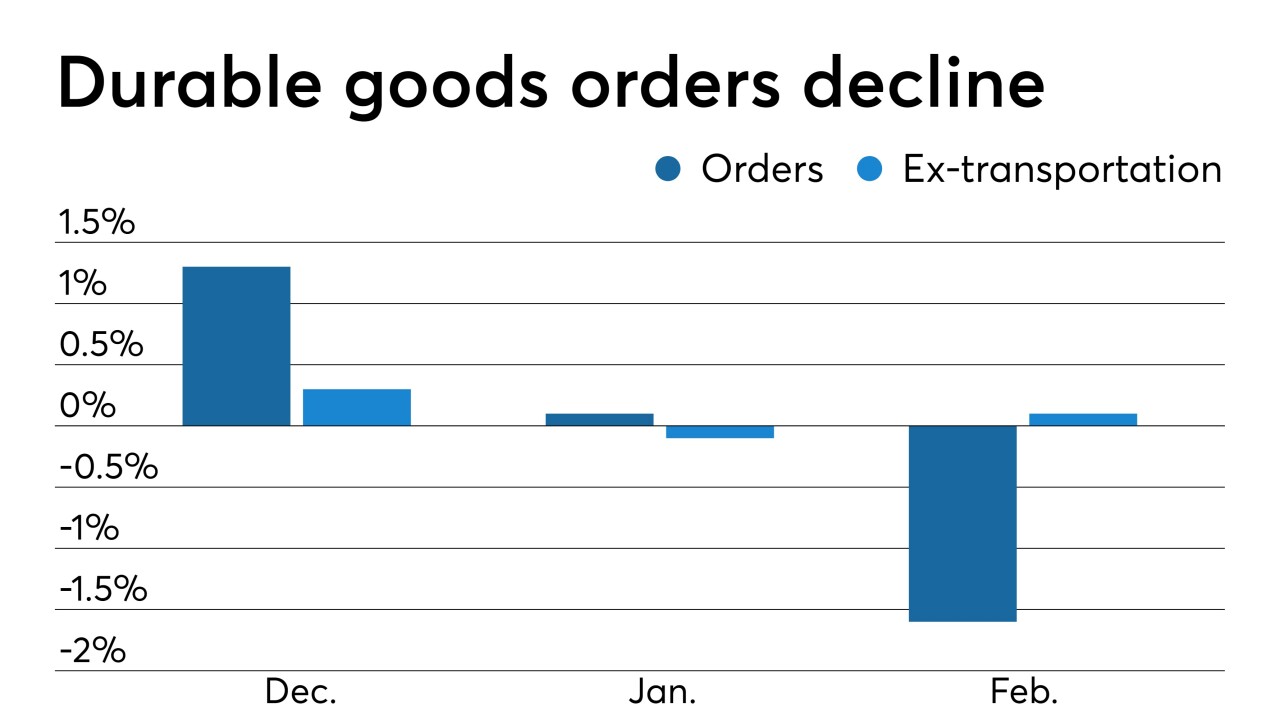
-
The value of business inventories in January rose 0.8%, above the 0.4% gain expected by MNI and the 0.5% gain expected by the Bloomberg consensus.
April 1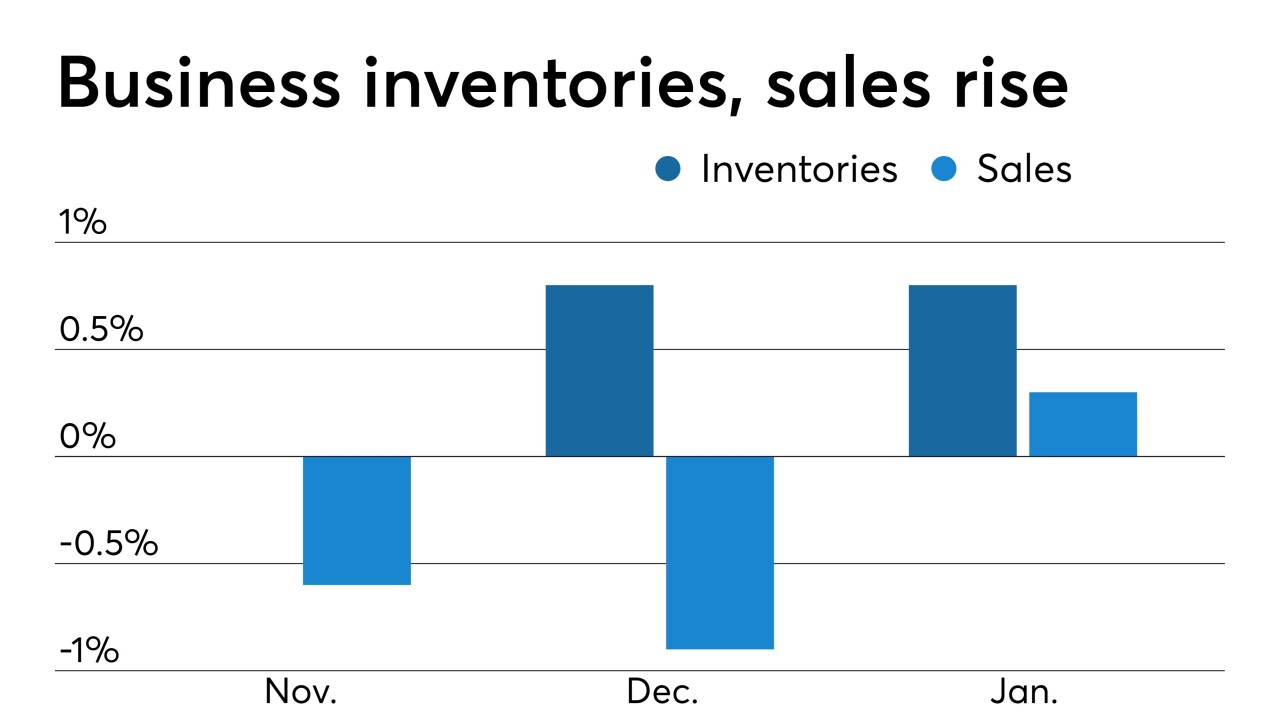
-
Construction spending was up 1.0% in February, well above the 0.1% gain expected.
April 1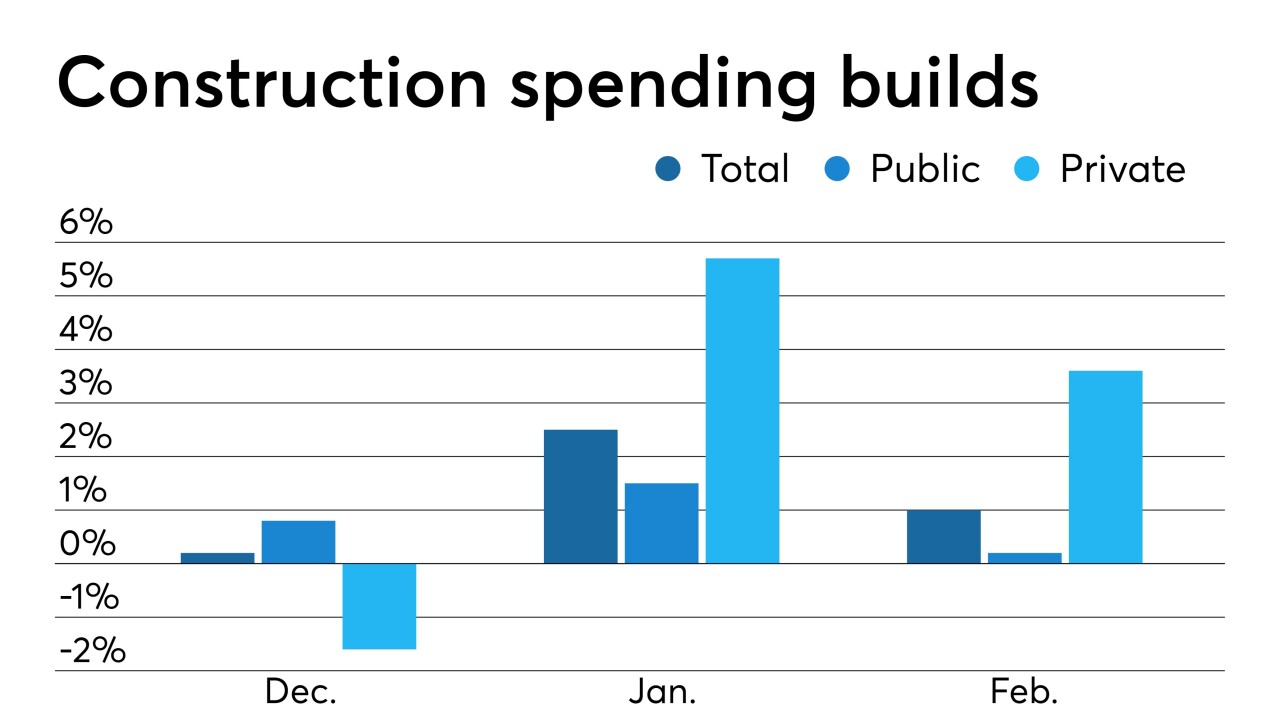
-
The overall economy grew for the 119th straight time.
April 1
-
U.S. retail sales unexpectedly eased in February on declines in grocery stores and building materials, which could potentially reflect cooler weather.
April 1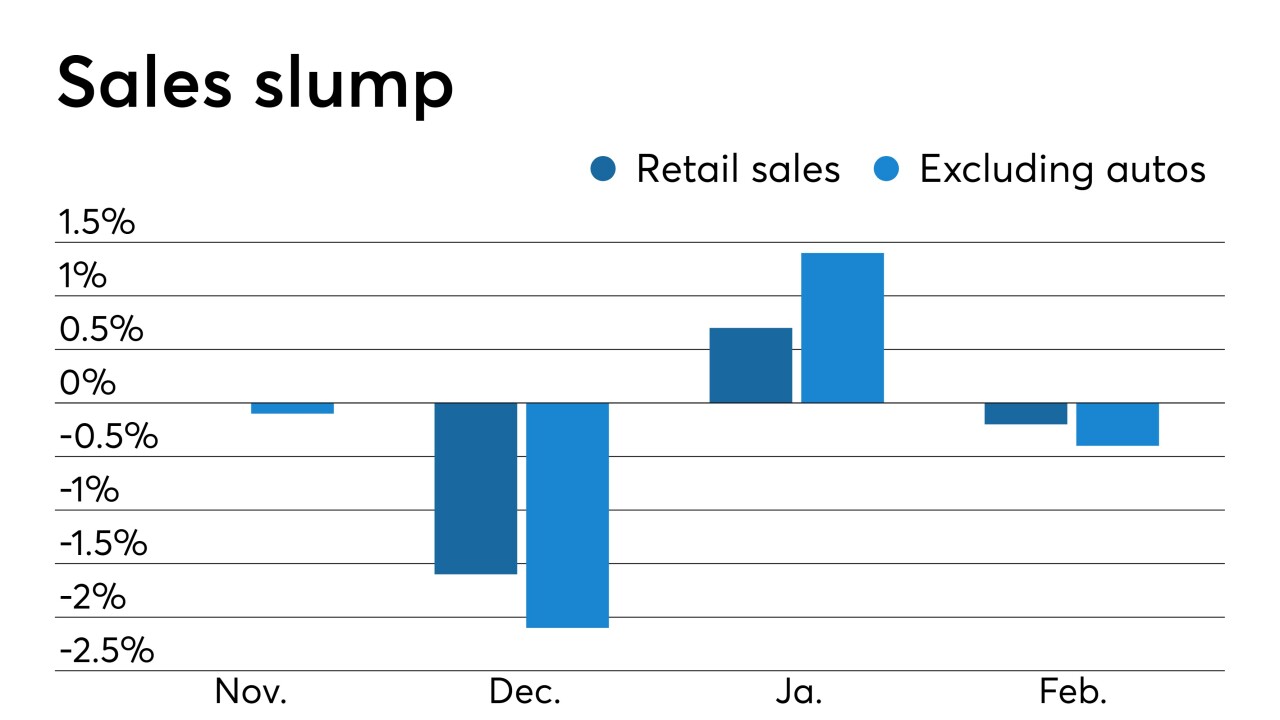
-
The University of Michigan's final sentiment index climbed to 98.4 from the prior month’s 93.8, according to a report Friday.
March 29
-
Sales of new U.S. homes rebounded to the best pace in almost a year and exceeded estimates in February.
March 29
-
he MNI Chicago Business Barometer softened in March to 58.7, bringingthe Q1 average to 60.0, its lowest quarterly reading in two years.
March 29
-
Personal income rose 0.2% in February while consumer spending inched up 0.1% in January.
March 29


