-
The funding also means the use of state-authorized lockbox funds from Internet sales and mansion taxes to prop up the operating budget is no longer necessary, which allows the agency to issue MTA bonds in 2021, to advance the 2020 to 2024 capital program.
 March 18
-
Two top state lawmakers, who along with Cuomo comprise the “three people in the room” that hash out the spending plan, pulled their support of the New York governor.
March 8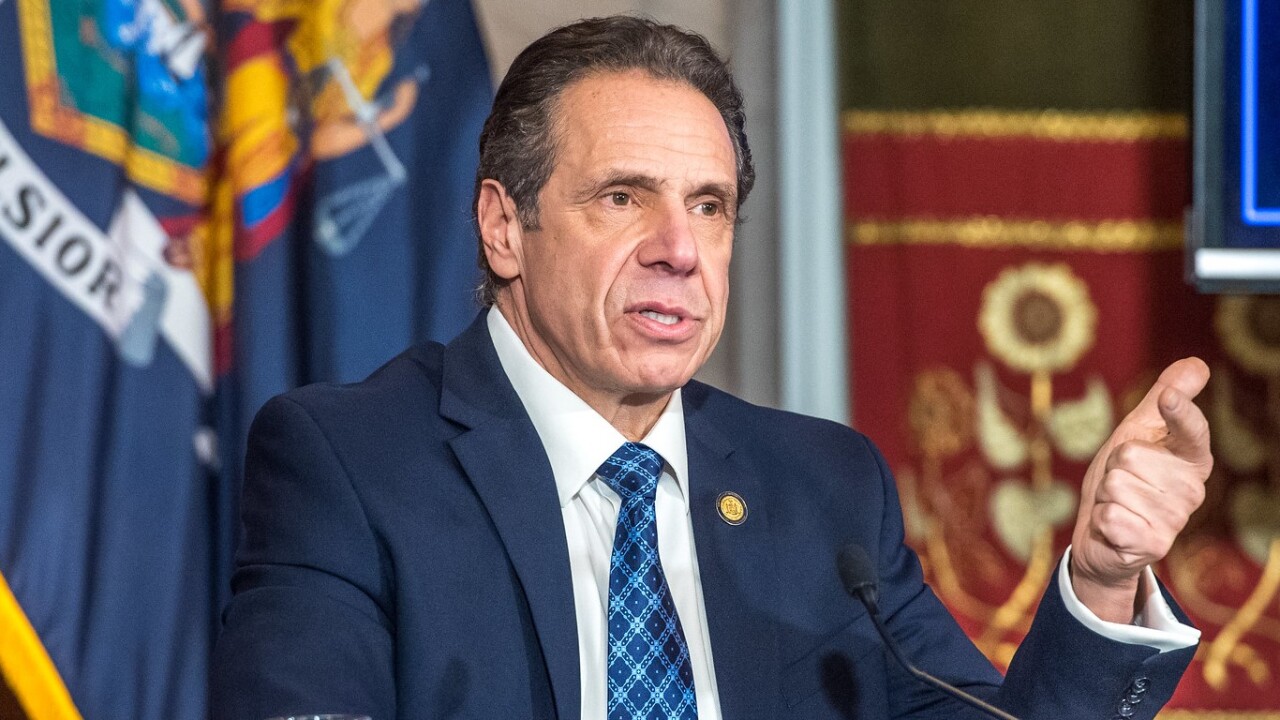
-
Taxable deals and refinancings fueled the 2020 volume spike as issuers adjusted to the coronavirus. The pandemic still looms over 2021.
February 26
-
Federal Highway Administration officials have told the mass transit agency they would fast-track an environmental review process.
February 19 -
Uncertainties include state and federal aid levels, the effects of vaccine distribution and the MTA's finances.
February 12
-
Even if there was some hesitation in the past few sessions to accept lower municipal yields given rich valuations, municipals continue grinding lower. One- and two-year AAA yields hit record lows of 0.06% and 0.08%, respectively.
February 9
-
The January employment report headline number disappointed while stimulus news lifted equities and U.S. Treasuries rose on both counts. Municipals ignored those moves ahead of another week of less-than-ample supply.
February 5
-
Officials see the Moynihan Train Hall and other works in progress as springboards for the city's revival from the coronavirus pandemic.
February 5
-
Rising state-supported debt and sidestepping best practices alarm the comptroller.
January 28
-
Nicole Gelinas of the Manhattan Institute explores New York MTA's structural deficits, a capital program on hold and federal rescue needs while ridership has cratered during the pandemic. Paul Burton and Andrew Coen host (21 minutes). Recorded Jan. 4.
January 26
-
The $187 million deal is the largest yet to be hosted on the Clarity platform, which is approaching the half billion mark of resets every week.
 January 25
-
While federal funds enabled the transit authority to sidestep fare hikes for now, it faces a raft of pandemic-related variables and state budget uncertainty.
January 22
-
The tentative schedule includes $2.3 billion of new money and $4.6 billion of refundings and reofferings, state Comptroller Thomas DiNapoli said.
January 8 -
While mass transit needs federal help, here's a call for the state, city and authority to go long and wide with new approaches.
December 24 The Bond Buyer
 -
Its $17 billion operating plan projects $4.5 billion in Washington assistance next year while sidestepping — for now — doomsday service cuts and layoffs.
December 17
-
Pinned into a corner from the economic effects of COVID-19, the mass transit agency tapped its remaining amount available through the Municipal Liquidity Facility, which expires at year's end.
December 10 -
Bridge funding from a lame-duck Congress could help plug operating deficits and stave off doomsday measures, agency leaders insist.
December 10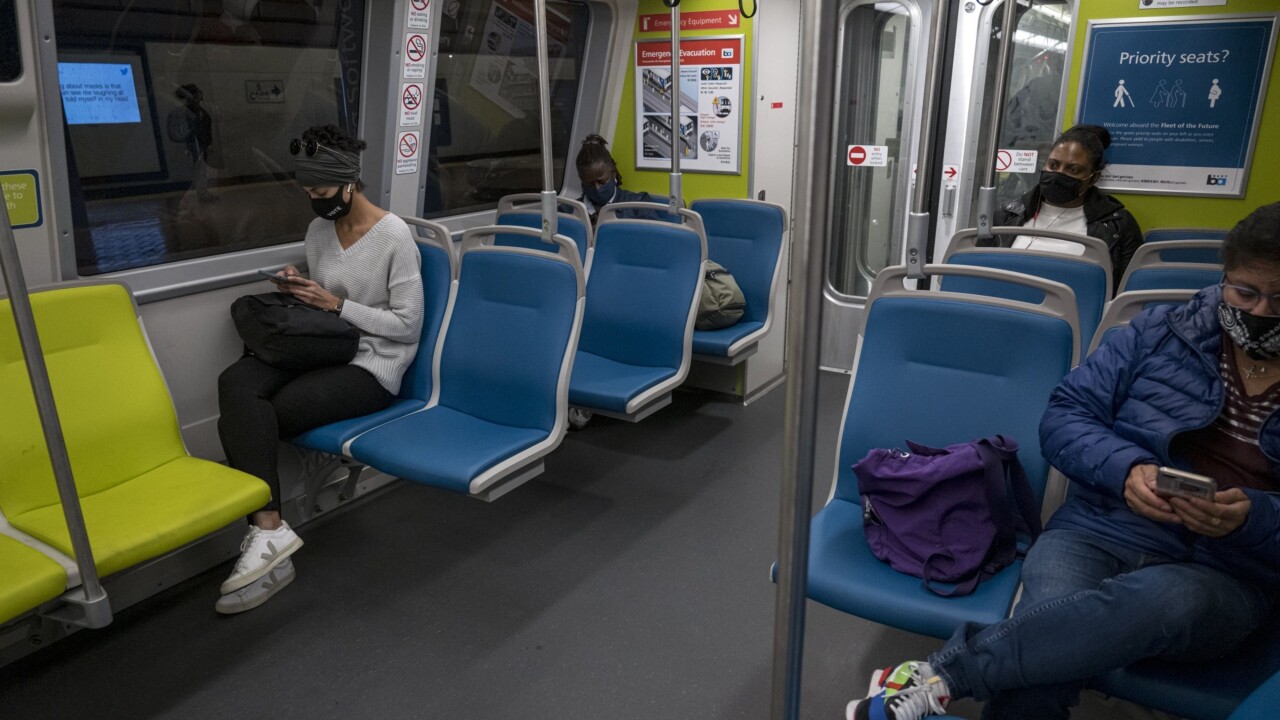
-
Analysts, issuers and lawmakers have mixed responses to the closure of the Municipal Liquidity Facility with some saying the move puts the municipal market in a precarious spot as COVID-19 continues to ravage the country.
 November 20
-
MTA officials revealed dark budget-and-service cut scenarios and Mayor Bill de Blasio closed in-person public schools, actions likely to ripple through the city's economy.
November 19
-
Neal Zuckerman, a New York MTA board member, tells The Bond Buyer's Paul Burton how takeaways from that era relate to today's transit funding crisis. "History doesn't repeat itself, but it rhymes." (24 minutes). Recorded Oct. 30.
November 17


