-
As private credit tops $1 trillion, Fed researchers warn bank exposure to the sector could spark systemic risk if defaults spike.
 May 21
-
To cool inflation, the Boston Fed president said, the central bank may need to keep raising rates and then holding them steady for a while.
January 19
-
Downshifting to a smaller move from the more aggressive rate increases the Fed rolled out last year would give officials more time to see how their actions are affecting the economy, Collins said.
January 11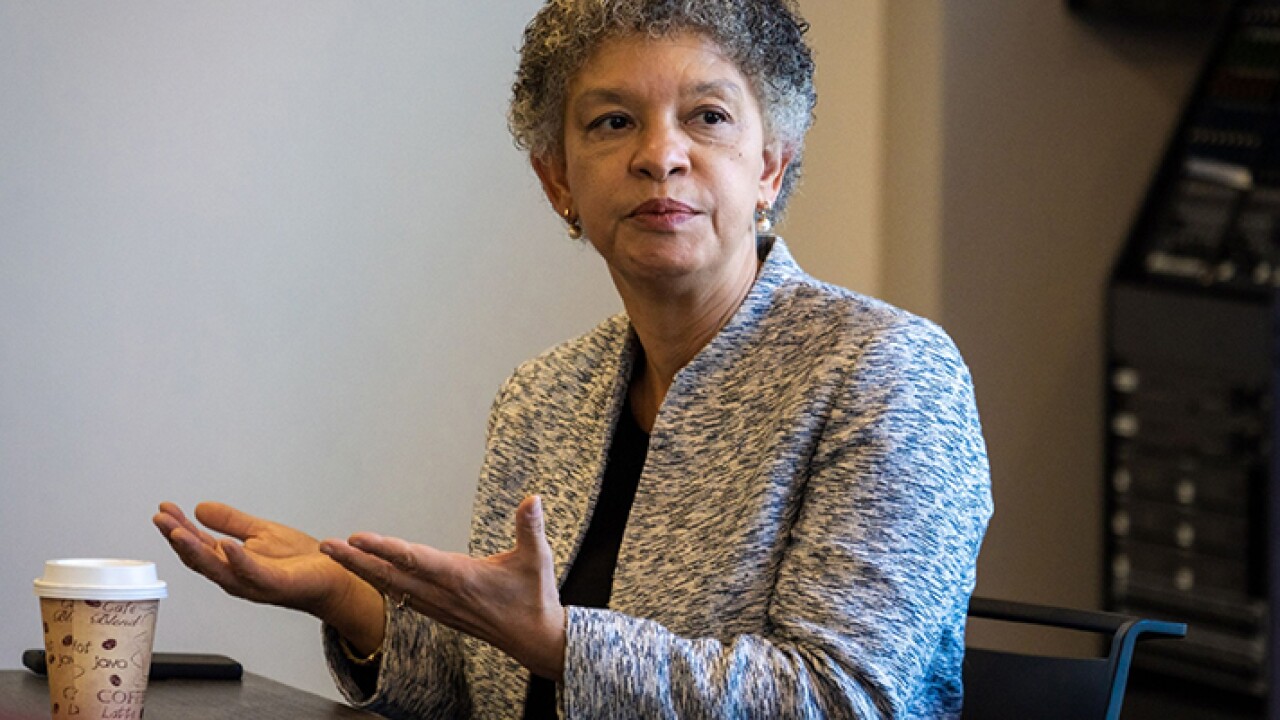
-
Boston Federal Reserve Bank President Susan Collins said monetary policy is entering a new phase that could require smaller rate increases.
November 4
-
Susan Collins officially took office Friday as the president of the Federal Reserve Bank of Boston, making history in becoming the first Black woman to lead a regional Fed bank.
July 1
-
The Federal Reserve Bank of Boston announced Susan Collins, provost and executive vice president for academic affairs at the University of Michigan, will become its next president effective July 1.
 February 9
-
Some policymakers in the nation’s capital have urged the Federal Reserve banks of Boston and Dallas to consider people of color and women while selecting new presidents. Republicans led by Sen. Pat Toomey of Pennsylvania say the process should be left to the local bank boards.
 October 13
-
The presidents of the Federal Reserve banks of Boston and Dallas said Thursday they would sell their individual stock holdings by Sept. 30 and invest the proceeds in diversified index funds or hold them in cash.
September 9
-
The Federal Reserve might consider an interest-rate hike from near zero as soon as late 2022 as the labor market reaches full employment and inflation is at the central bank’s goal, Federal Reserve Bank of Boston President Eric Rosengren said.
June 25
-
Sen. Pat Toomey of Pennsylvania, the top Republican on the Banking Committee, told three Federal Reserve regional presidents that a series of events tied to the impact of racism on the job market and housing systems is not within the scope of the central bank.
May 24
-
Federal Reserve Bank of Boston President Eric Rosengren said he doesn’t expect to see sustained 2% inflation for the next two years so long as U.S. unemployment remains high.
February 17
-
Fed’s Rosengren calls Biden stimulus plan big yet ‘appropriate’
January 15
-
While financial and economic shocks can't be prevented altogether, certain factors can worsen the shock, according to Federal Reserve Bank of Boston President Eric Rosengren.
 November 10
-
Recovery will be more difficult because rates were low before the pandemic, Federal Reserve Bank of Boston President Eric Rosengren said.
October 8
-
A “fragile” economy and his expectations for a “more gradual” than forecast recovery mean “fiscal- and monetary-policy stimulus are essential,” Federal Reserve Bank of Boston President Eric Rosengren said Wednesday.
September 23
-
The recovery from COVID-19 will not happen quickly and Americans should "learn to live" with the virus, as it will be around much longer than expected or hoped for.
August 12 -
With low inflation and high unemployment, the Boston Fed president said the economy will likely need more monetary and fiscal policy support.
June 19
-
Federal Reserve Bank of Boston President Eric Rosengren said the roll-out of a new lending program for small-and-medium-sized U.S. companies may still be “another couple” of weeks away.
April 1
-
The central bank said its program to support money market mutual funds will also serve as a backstop for state and local governments.
March 20
-
Federal Reserve Bank of Boston Eric Rosengren offered an upbeat assessment in the face of the darkening economic crisis, saying the U.S. can withstand the short-term damage caused by the coronavirus pandemic.
March 19


