-
In anticipation of a $5.3 billion rail project coming in under budget, Honolulu transit authority officials are contemplating adding additional features to the system like a fare gate system, according to published reports.
 February 2
 - California
A bill that would allow municipalities in California to keep affordable housing funds collected by their redevelopment agencies, which were shut down Wednesday, cleared the state Senate.
February 2 - Hawaii
For a second year, Georgia is poised to eclipse Florida in authorizing new-money bonds in their state budgets.
February 1
-
WASHINGTON — Rep. Tim Huelskamp, R-Kan., has introduced legislation that would repeal the individual alternative minimum tax, potentially lowering the borrowing cost and improving the marketability of private-activity bonds.
February 1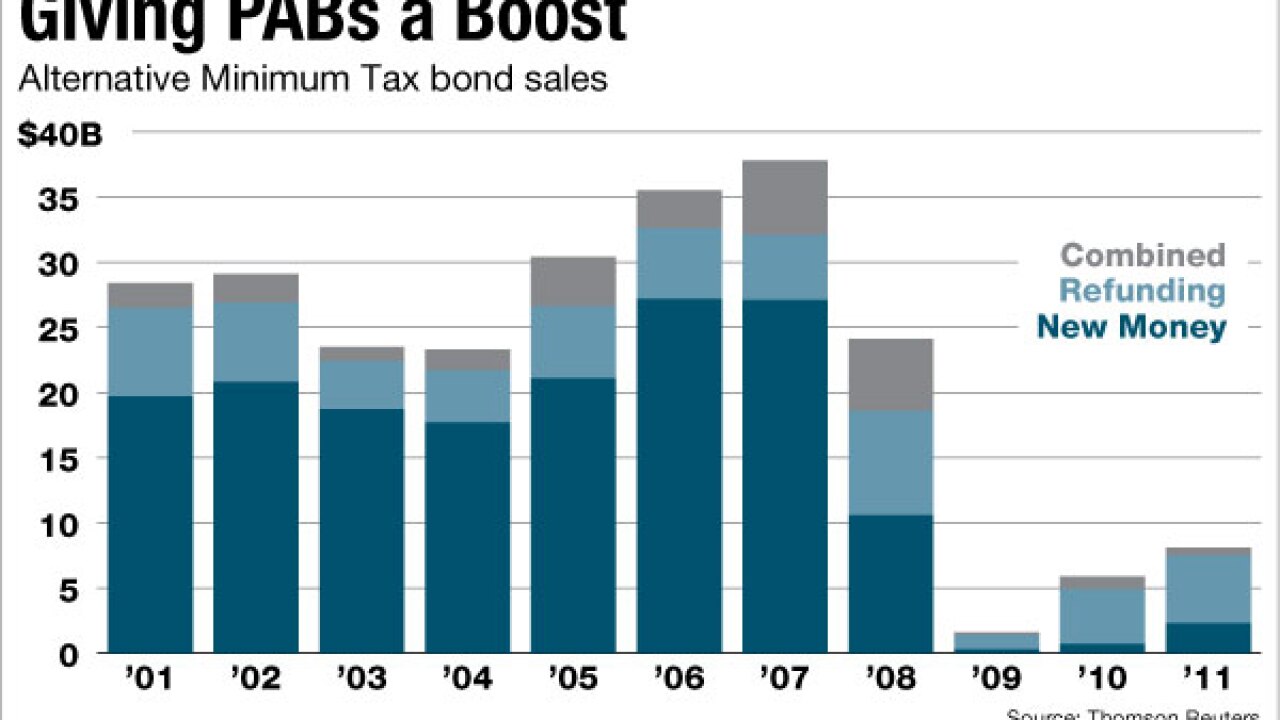
- California
California cities and redevelopment agencies have spent the past month lamenting the uncertainty wrought by the dissolution of the state's 400-plus redevelopment agencies, but based on trading, municipal bond investors don't appear to share those concerns.
January 31 -
President Obama's fiscal 2013 budget will propose a 28% cap on the value of tax preferences, including tax-exempt interest for municipal bonds, according to knowledgeable sources.
January 31 - Washington
Market participants slammed a proposal to assess a fee on broker-dealers to help finance the Governmental Accounting Standards Board, differing about whether regulations on dealers should be permitted to pass the fee along to other market participants, including issuers.
January 31 - California
Redevelopment agencies in California will legally vanish Wednesday, with a bill to extend that deadline declared dead by a top lawmaker.
January 30 - Washington
Municipal Securities Rulemaking Board officials detailed a series of initiatives designed to increase price transparency for retail investors and improve disclosure of conflicts of interest, information about bank loans, and payments made to or received by underwriters and municipal advisors.
 January 30
 - Washington
In a direct rebuke to industry groups and a push-back against two Republican Securities and Exchange Commission members who engaged in stalling tactics, the Municipal Securities Rulemaking Board vigorously defended its proposed guidance on fair-dealing for underwriters.
January 30


